
Air Conditioning in Brighton and Hove
From the stucco crescents of Kemp Town to the bungalows of Saltdean, we survey, install and service air conditioning across Brighton and Hove, planning every outdoor unit around sea air, listed fronts and shared walls.
A City Between the Downs and the Sea
Brighton and Hove climbs from the beach up broad chalk ridges and dry valleys into the South Downs, a setting the city council describes as lying between rolling downland and the sea. Its Urban Characterisation Study sorts that landscape into four types: urban coastal, urban, suburban downland fringe and downland settlements. For air conditioning the distinction matters, because a flat above the seafront, a terrace in the middle of town and a bungalow on a downland ridge each raise different questions before a single bracket goes up.
The oldest part of the city is the Old Town and the Lanes, whose network of narrow interconnecting streets the council calls their hallmark, a pattern that records the growth of a medieval fishing settlement into a seaside resort. Royal patronage from the 1780s then made Brighton the most fashionable seaside resort, and from 1807 the land west of the Old Town was built up in grand projects, beginning with Bedford Square and Clarence Square. Along the front, formal architectural set pieces are arranged around squares and gardens to make the most of the sea views.
Those set pieces are a large part of why so much of the city is protected. Brighton and Hove has 34 conservation areas, taking in downland villages, Regency squares and post war suburban avenues, and many of the grandest terraces are listed. Add salt in the air along the coast and a great many houses divided into flats, and an installation here usually turns on three questions: where the outdoor unit can sit without spoiling a protected front, how the pipework reaches the room, and who has to agree before work starts.
Brighton's Buildings and Where the Units Go
The city's homes fall into five broad groups, and each one points us towards a different place for the outdoor unit and a different route for the pipes.
Stucco Terraces and Crescents
Kemp Town, the Regency Square area, Brunswick Town in Hove, Montpelier and Clifton Hill are lined with tall terraces and crescents of painted stucco over brick and bungaroosh, a Brighton mix of flint and brick bound in lime mortar, with bow fronts, first floor iron balconies, basements, timber sashes and slate roofs. A very high share are listed, and the Kemp Town houses are Grade I, so an outdoor unit, a pipe run or a new hole through a wall may need listed building consent on top of planning permission. We look first at rear elevations, basement areas, light wells and flat roofs that cannot be seen, and keep pipework inside the building where we can.
Town Houses on the Lanes
Town houses, hotels and guesthouses line the lanes and twittens of the Old Town, built over several centuries in clunch (chalk block), flint, brick, tiles, mathematical tiles, weatherboarding, painted stucco and bungaroosh. The lanes leave little room for units at ground level, and many buildings are listed or inside the Old Town Conservation Area, so rear roofs, yards and internal plant positions are where we start. Because one wall may be chalk block and the next flint, we survey each core hole before drilling it.
Artisan Terraces in North Laine and Hanover
North Laine, which the building of the railway station in 1840 confirmed as the town's main artisan and service quarter, has streets of modest terraced houses behind simple repeated fronts, while Hanover's small 1860s terraces climb a hillside on narrow streets, many painted in bright colours and over half of them converted into flats. Small back yards and closely packed rear walls mean the position of the unit and its sound towards neighbours need careful thought. North Laine is covered by an Article 4 Direction on top of its conservation area status, so the street front is best left alone and the council consulted first.
Preston Park and Fiveways
Around Preston Park and Fiveways the streets are mainly two storey terraces of red brick with tile hanging, gables, porches and barge boards, with larger villas beside the park, some of them since replaced by blocks of flats. Solid brick takes a wall bracket well, and a back garden usually has room for a ground mounted unit. Preston Park is a conservation area covered by an Article 4 Direction, so we keep units and trunking off street facing walls and check with the council before the work is booked.
Suburbs on the Downland Fringe
Moulsecoomb is a council built garden suburb of plain two storey brick or rendered houses, Woodingdean has detached and semi detached homes from the 1920s to the 1950s, Patcham and Withdean mix mock Tudor semis with flat roofed and plain post war houses, and Saltdean is dominated by bungalows of the 1920s to the 1950s. These are usually the simplest installs in the city, with side passages and rear gardens for the outdoor unit and bungalow lofts that can carry pipework. On the Woodingdean ridges and the upper slopes of Moulsecoomb the council notes exposure to wind, so we plan a sheltered spot for the unit.
Sea Air, From the Seafront Inland
Near the sea, salt in the air is something an outdoor unit has to live with. Move the marker inland, or choose a neighbourhood, to see where it sits and what we look at.
The drawing and the drifting air are an illustration, not a measurement. Distances are straight lines to a simplified line of the shore traced from OpenStreetMap data (© OpenStreetMap contributors), worked out as a guide; the survey decides.
Neighbourhoods, Nearest the Sea First
Nearest to the marker
Hove Seafront (Brunswick Town), 0.1 miles from the shore.Regency Square Area, 0.1 miles from the shore.The Lanes, 0.1 miles from the shore.Kemp Town, 0.2 miles from the shore.Montpelier and Clifton Hill, 0.4 miles from the shore.North Laine, 0.5 miles from the shore.Hanover, 0.8 miles from the shore.Preston Park, 1.5 miles from the shore.Fiveways, 1.8 miles from the shore.Woodingdean, 1.9 miles from the shore.Withdean, 2.0 miles from the shore.Moulsecoomb, 2.2 miles from the shore.Patcham, 2.9 miles from the shore.
BN2Victorian
Hanover
0.8 miles from the shore
Small 1860s terraces climbing a hillside on narrow streets, many painted in bright colours and over half of them converted into flats.
Where We StartIn a flat the lease and the freeholder come first. Small back yards and closely packed rear walls mean the position of the unit and its sound towards neighbours need careful thought.
Coastal Protection
Every manufacturer quoted below words its caution in the same general way: salty air near the sea. None of them gives a distance from the shore, so neither do we.
Salt in the air can deteriorate the metal parts of an outdoor unit. Close to the front we choose a sheltered position where one exists and look for a unit with an anti corrosion coating on its fins where the UK range offers one. Ranges differ from country to country, so we read the UK data sheet for the exact unit before we name it on your quote.
On the coast a yearly service is especially worthwhile: the coil is cleaned and inspected, and you keep a written record of the visit.
In the Manufacturers’ Own Words
Where the air contains high levels of salt such as that near the ocean.
Area with high salt content, such as at the seaside. It will deteriorate metal parts, causing the parts to fail or the unit to leak water.
What We Fit Across Brighton and Hove
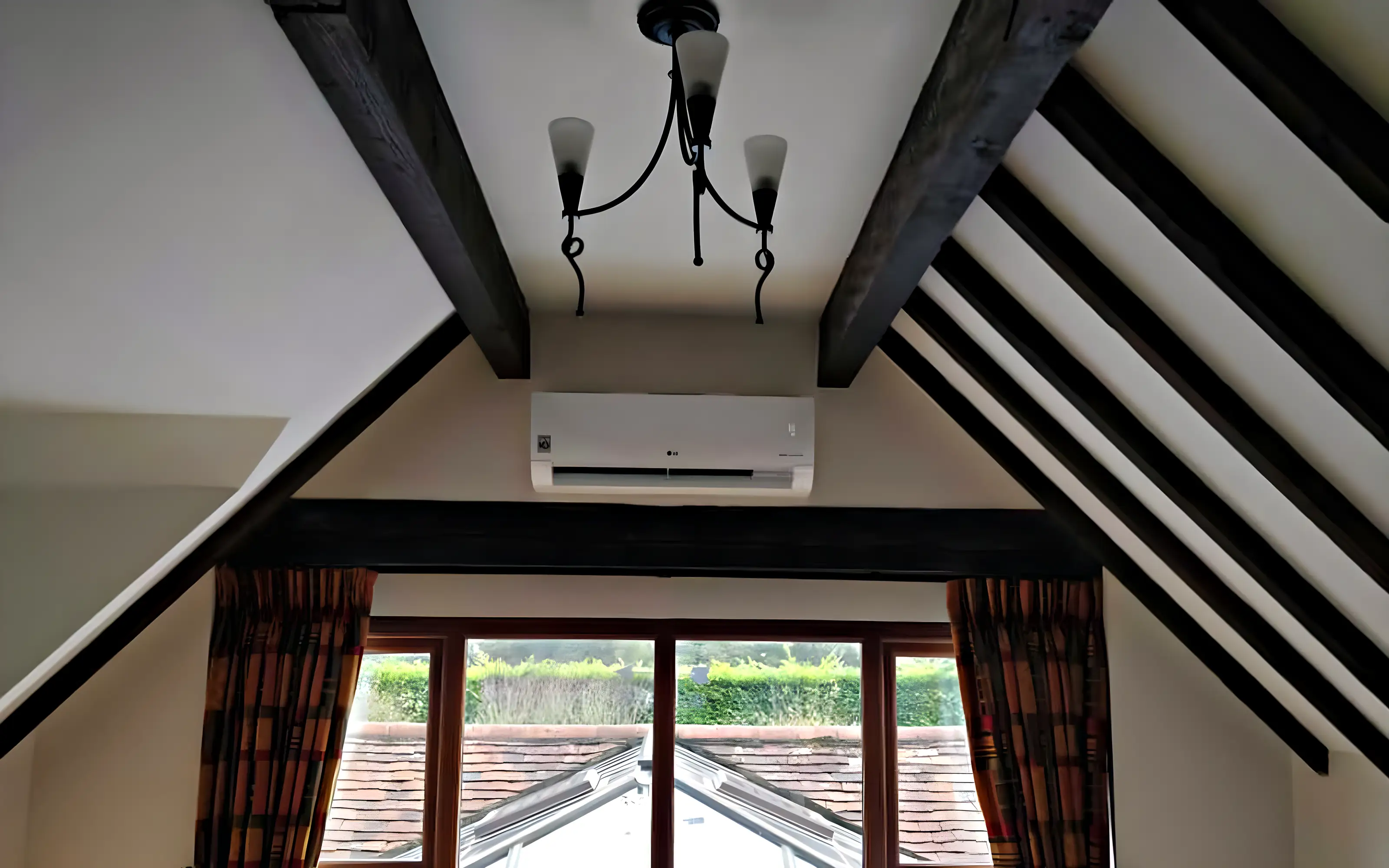
In a terraced house the usual answer is a wall mounted indoor unit in the bedroom or living room that gets the most sun, connected to an outdoor unit at the back. Where the rear offers only one workable position, a multi split system runs two or more rooms from that single outdoor unit, which keeps the number of fixings on a protected building as low as it can be.
In a flat with a ceiling void, a ducted system can leave nothing in the room but slim grilles. These split systems warm the room through the winter as readily as they cool it in summer, and an inverter unit eases off once the room is there.
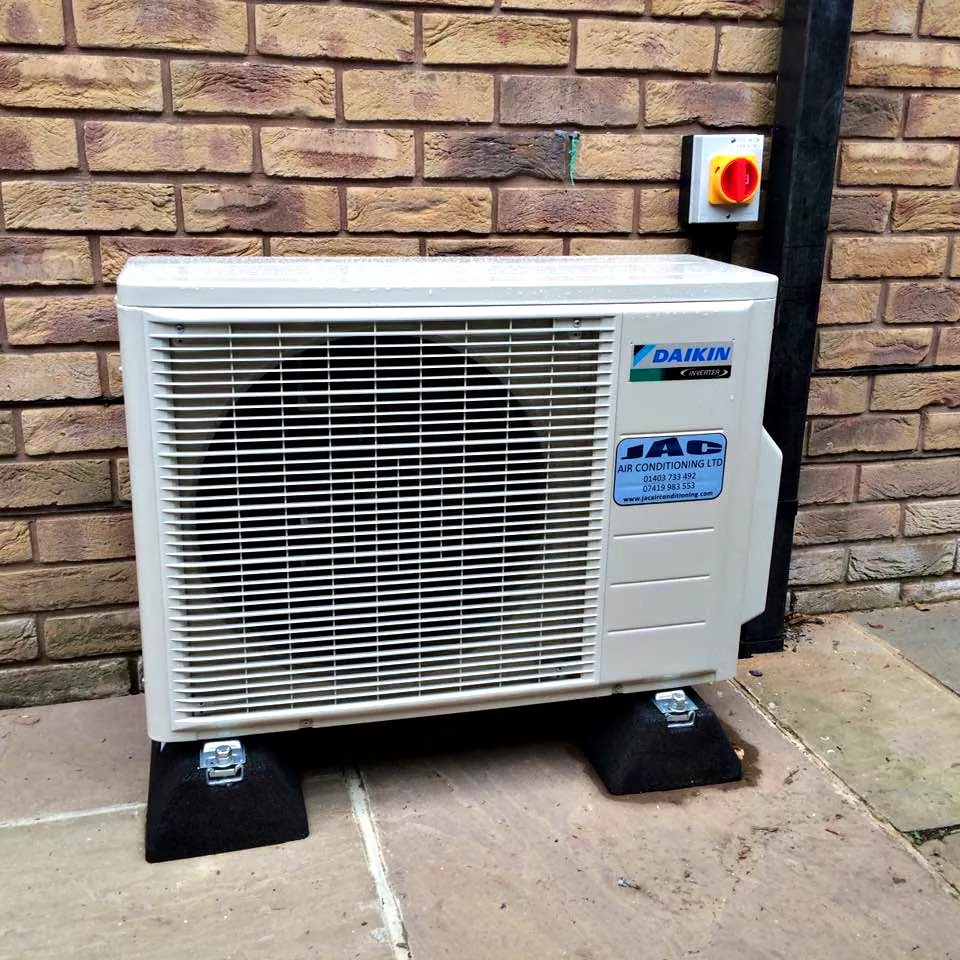
Salt is the other local consideration. Daikin's installation manual for one of its split system ranges, published on its UK website, lists air with high levels of salt near the ocean among the places not to install the unit, and other manufacturers carry similar cautions about seaside locations in their own manuals. Some offer outdoor units with an anti corrosion coating on the heat exchanger fins, but ranges differ from country to country, so we read the UK data sheet for the exact unit before recommending it for a seafront address.
Our installations use equipment from Mitsubishi Heavy Industries, Mitsubishi Electric, Daikin, Fujitsu, GENERAL, Samsung and LG. JAC holds Mitsubishi Heavy Industries 3 Diamond Dealer status, the highest of that maker's dealer levels. The engineers braze and pressure test the pipework, vacuum the system and commission it, then register the manufacturer warranty for you. Our page on how an installation runs from survey to commissioning sets out each of those stages in more detail.
Listed Buildings, Conservation Areas and the National Park
Planning controls in Brighton and Hove are tighter inside conservation areas, and the council explains that how tight they are depends on whether the building is listed, whether it is a single family house, commercial premises or flats, and whether an Article 4 Direction applies. Heritage Article 4 Directions cover Kemp Town, Regency Square, Montpelier Crescent, North Laine, Preston Park, Round Hill, West Hill, Brunswick, Patcham, Rottingdean, Ovingdean and Queen's Park among others, and most of them relate to fronts that face a street, footpath or open space.
Some areas hold a remarkable concentration of listed buildings. The Regency Square Conservation Area contains five formal squares, several grand terraces and the West Pier, with over 250 statutorily listed buildings. Brunswick Town in Hove has over 550 individual listed properties, over 100 of them at Grade I and 40 at Grade II*. In Kemp Town the houses of Sussex Square, Lewes Crescent, Arundel Terrace and Chichester Terrace are listed Grade I, and the pebble and brick mews behind part of the estate are listed as well.
The council's guidance, SPD12, notes that a front elevation and anything else visible from the street is normally more sensitive to change than the parts out of view, and its residents guide adds that services can usually be run internally or in concealed places rather than cluttering a facade.
That is how we plan a job in the city: the outdoor unit out of sight, pipework inside, and a word with the council about the address before we drill. Some of the city lies within the South Downs National Park, and planning there is a matter for the National Park Authority; the Stanmer Conservation Area lies wholly within the Park, and parts of the Ovingdean, Patcham and Rottingdean conservation areas do too.
Hotels, Bars, Shops and Offices in the City
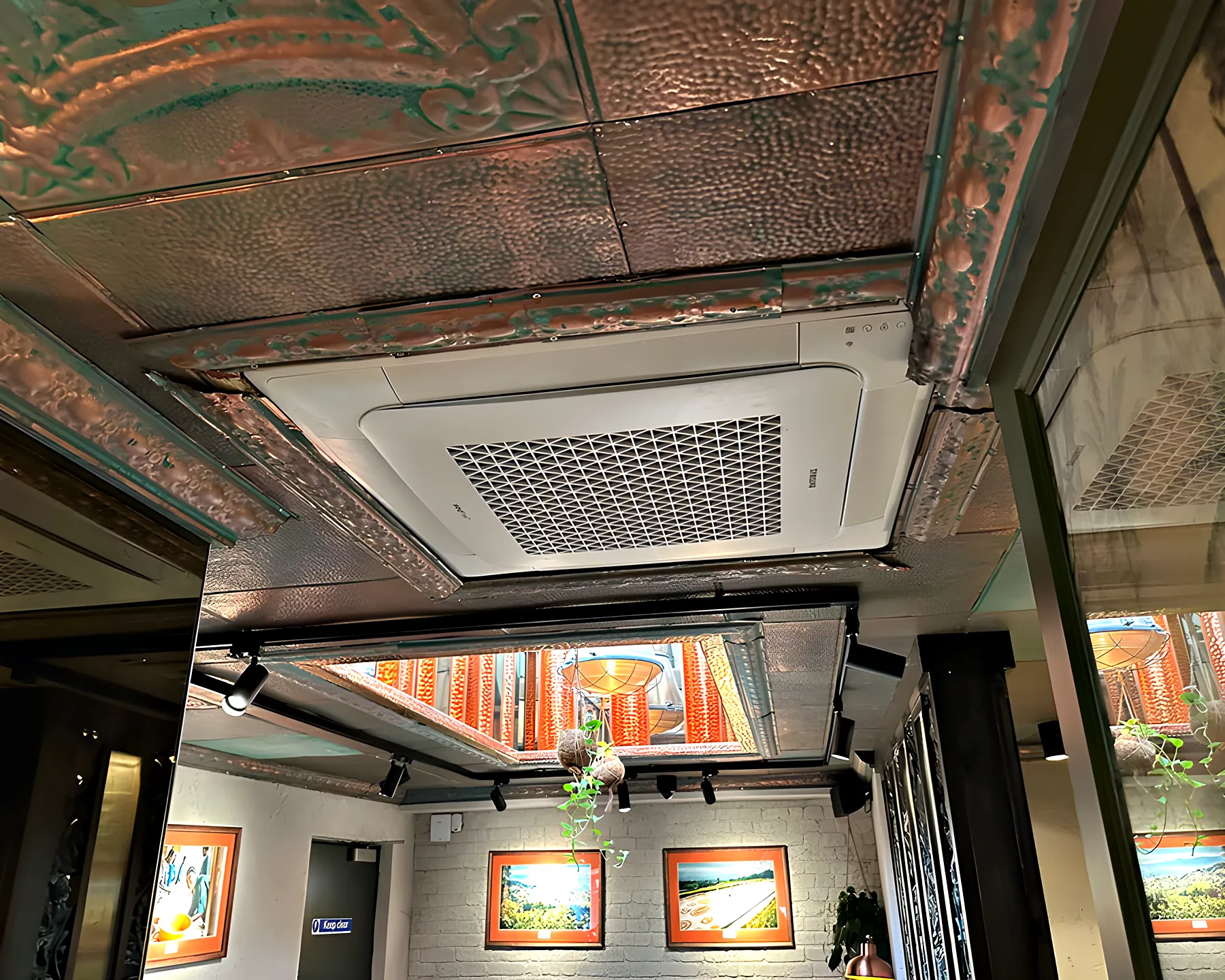
The Regency Square area includes the large Victorian seafront hotels, built on a scale the town had never seen before: The Grand in 1864, The Norfolk in 1865 and The Metropole in 1888. The Old Town has converted houses and purpose built hotels, with a high density of music halls, theatres and cinemas built for visitors, and the beach arches that once served the fishing industry now hold bars, clubs, restaurants and shops. Kitchens, bars, function rooms and guest bedrooms each produce their own heat, and in buildings like these the plant positions need the same care as on a listed house.
Away from the front, the London Road shopping centre and its open market are designated a town centre in retail terms, with a group of high rise office blocks along the Preston Park stretch of the route and the City College campus in the same area.
Moulsecoomb has an industrial estate of large sheds alongside a leisure centre, a health centre and schools, and the University neighbourhood is made up almost entirely of the University of Sussex and University of Brighton campuses, where Falmer House is listed Grade I. Our commercial air conditioning service covers design, ceiling cassettes, ducted systems and planned maintenance, with the work timed around trading hours.
Bigger commercial systems bring F-Gas duties with them. Once a system holds 50 tonnes CO2 equivalent of refrigerant, leak checks fall due every 6 months, or every 12 with automatic leak detection; at 500 tonnes and over, automatic leak detection is compulsory and the base interval shortens to every 3 months, or every 6 once that detection is in place. We carry out the checks under our REFCOM certificate and keep the records on your behalf.
Air Handling Maintenance and Refurbishment in Brighton
Large seafront hotels, the venues of the Old Town and the industrial sheds at Moulsecoomb are the kinds of building where an air handling unit often moves the air, sometimes from a roof that takes the full force of the weather off the sea. Air handling maintenance in Brighton therefore includes a close look at the casing, the door seals and the coil fins for salt damage.
When corrosion has set in but the frame is sound, air handling refurbishment in Brighton and Hove replaces the damaged panels and insulation without lifting the whole unit off the roof. For hotels, bars and offices across BN1, BN2, BN3 and BN41, commercial AC servicing in Brighton can be booked on the same planned maintenance visits, with the F-Gas leak checks recorded.
Reaching Brighton From Horsham and Keeping Systems Running
From the Afon Building in Horsham we travel south east to Brighton and Hove for surveys, installations and repair visits across the BN1, BN2, BN3 and BN41 postcode districts. Jay and Oscar, our engineers, carry out the survey and the installation themselves, and Nicola in the office arranges each appointment, including any access or parking details we need to agree with you before the day.
On the coast a regular service is especially worthwhile. A yearly service visit takes in the filters, coils and condensate drain, the fans and electrics, the controls and the refrigerant pressures; you keep a written record of it, and the manufacturer warranty stays valid. We also repair any major brand, including systems we did not fit, and tell you the price before the repair begins.
Further west along the coast, our page on air conditioning in Worthing looks at the same questions for that town.
Downland Villages Around the City
Several villages on the edge of the city, and some just beyond it, sit inside the South Downs National Park or have conservation areas of their own.
- RottingdeanBN2
A downland settlement whose historic village core has many listed buildings of the 18th and 19th centuries around the green and High Street, with much use of flint.
- OvingdeanBN2
The old core of this downland village keeps listed former farm buildings of local flint with red brick detailing, surrounded by later low density housing.
- SaltdeanBN2
A coastal suburb dominated by bungalows of the 1920s to the 1950s, with some good examples of 1930s architecture and two listed flint barns.
- StanmerBN1
The council notes that its conservation area falls wholly inside the National Park, which makes the National Park Authority the planning body here.
- FalmerBN1
Falmer belongs to Lewes district and lies within the National Park, and the Park Authority lists its conservation area among those of Lewes.
- Portslade VillageBN41
A historic core with buildings back to the 16th century, tied together by brick and flint walls and steep clay tiled roofs, and a conservation area with many listed buildings.
- Mile OakBN41
A 20th century suburb on the downland fringe, mostly plain brick houses with pitched roofs and a few flat roofed buildings.
- Kingston near LewesBN7
A village inside the South Downs National Park with a conservation area of its own, mapped by the National Park Authority.
- TelscombeBN7
A downland hamlet inside the National Park, where the National Park Authority maps the Telscombe Village Conservation Area.
Our Services in Brighton
The same engineers on every job, from a single bedroom unit to a plant room.
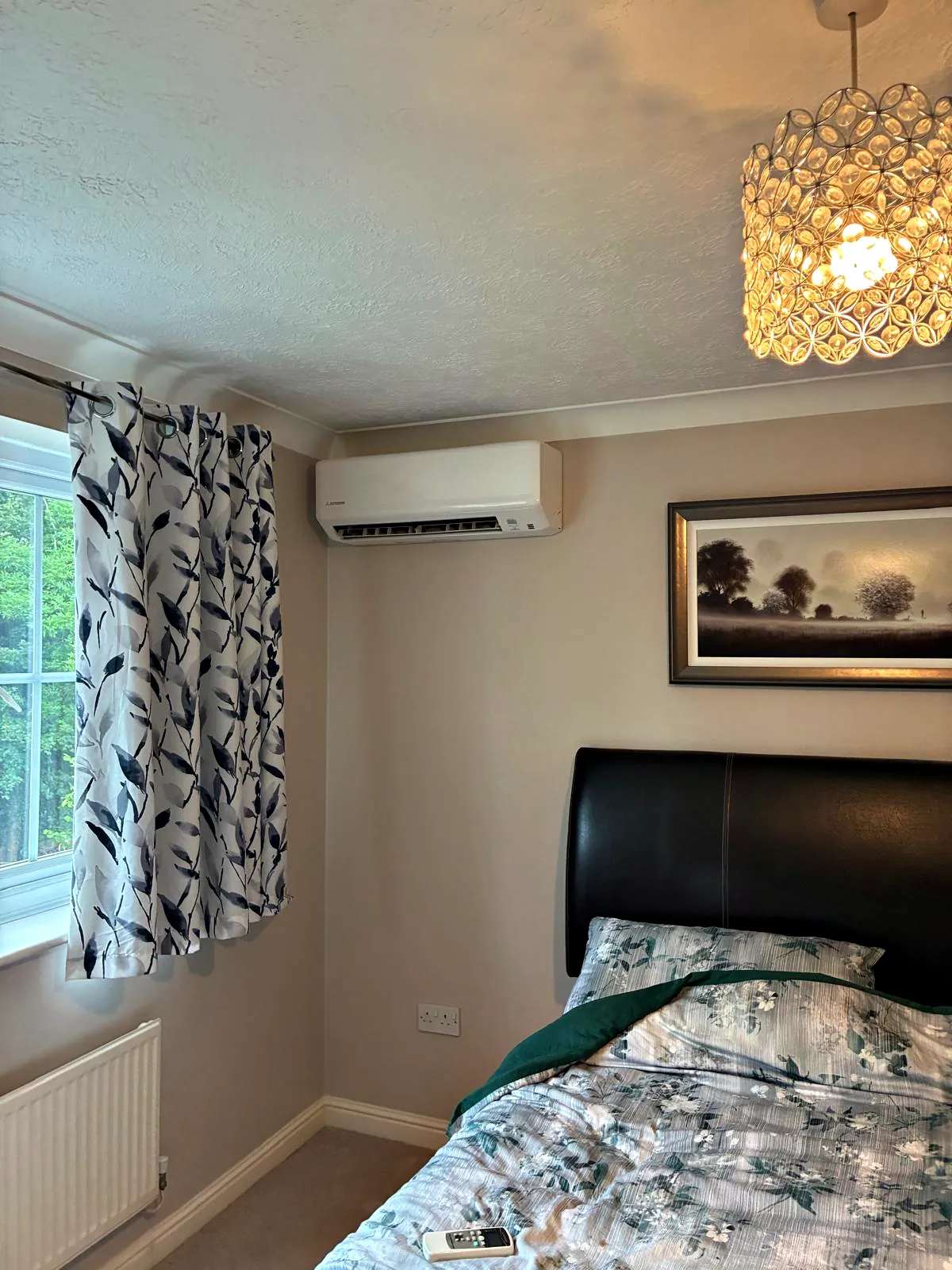
Domestic Air Conditioning Installation
Single split, multi split and ducted systems for houses, bungalows, park homes and garden rooms.
Explore →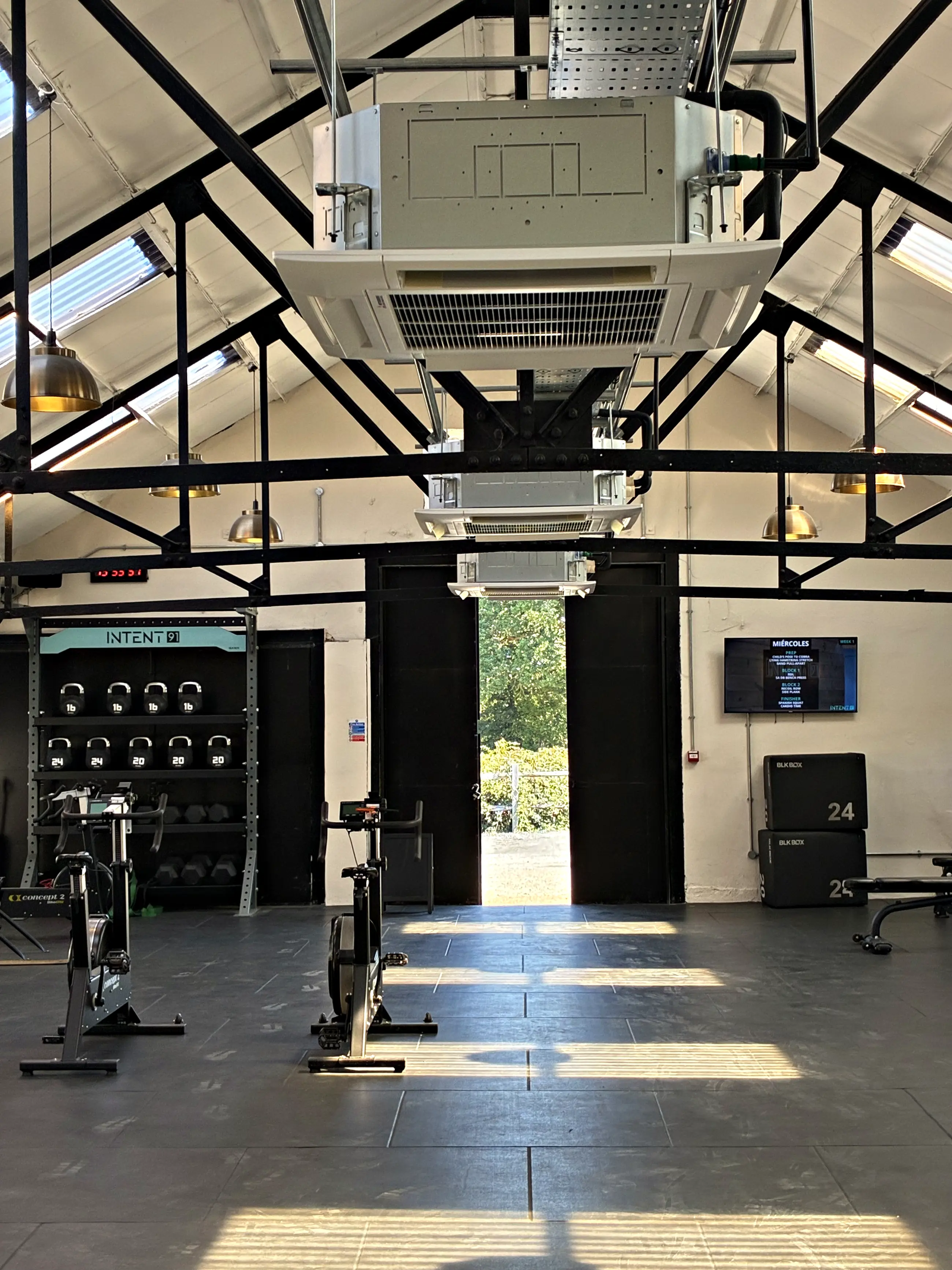
Commercial Air Conditioning
Design, installation and planned maintenance for offices, shops, bars, hospitality and industrial units.
Explore →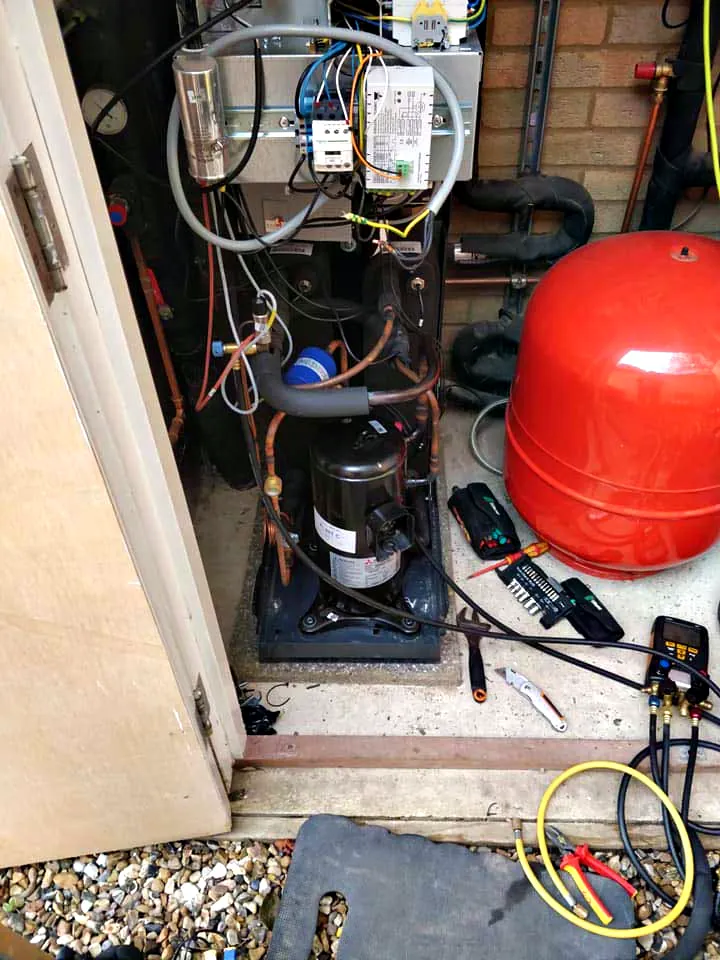
Air Conditioning Repairs
Fast diagnosis and repair on any major brand, priced before we start, genuine parts fitted.
Explore →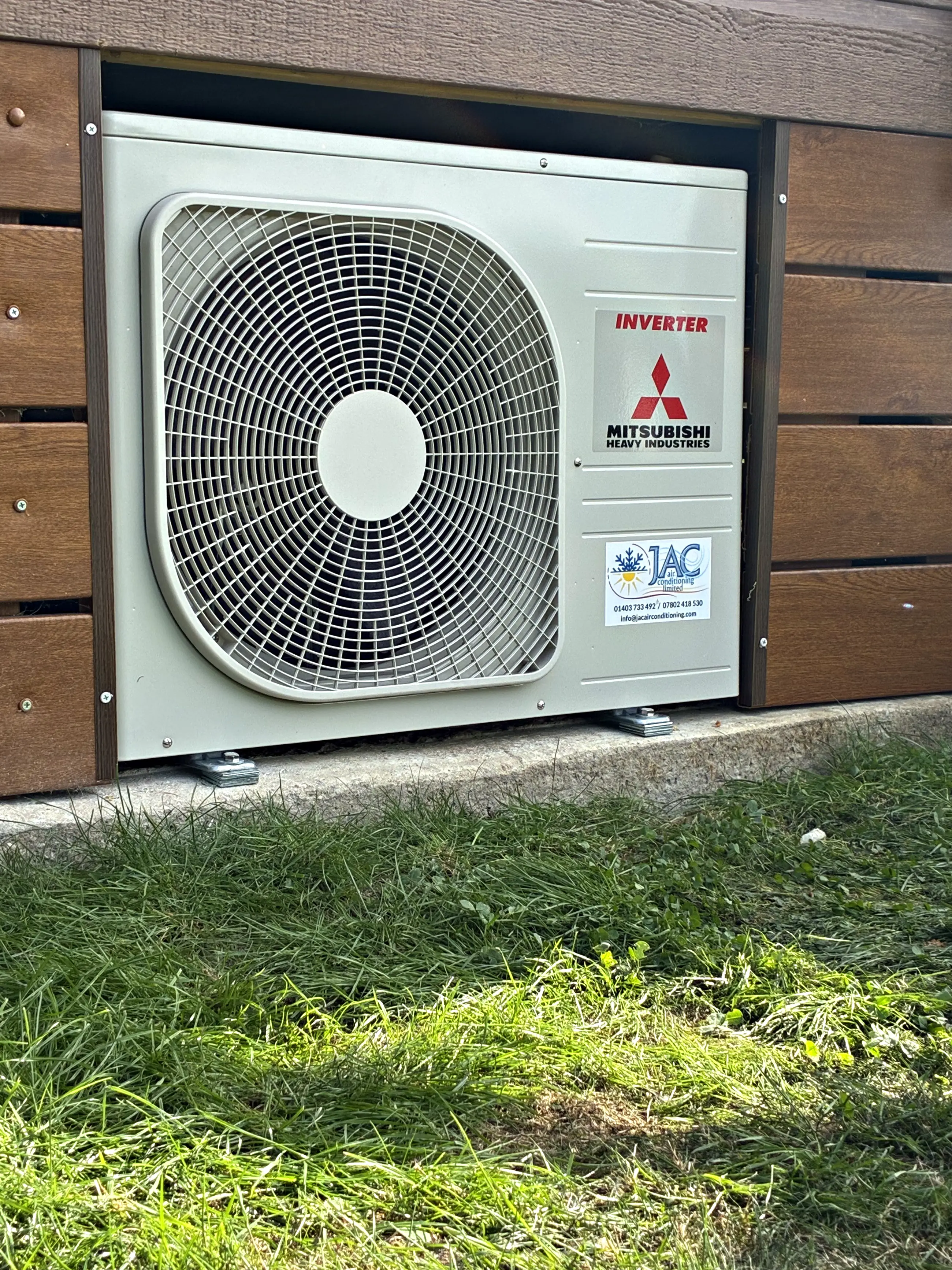
Air Conditioning Servicing
Filters, coils, drains, electrics and refrigerant, with a written record every visit.
Explore →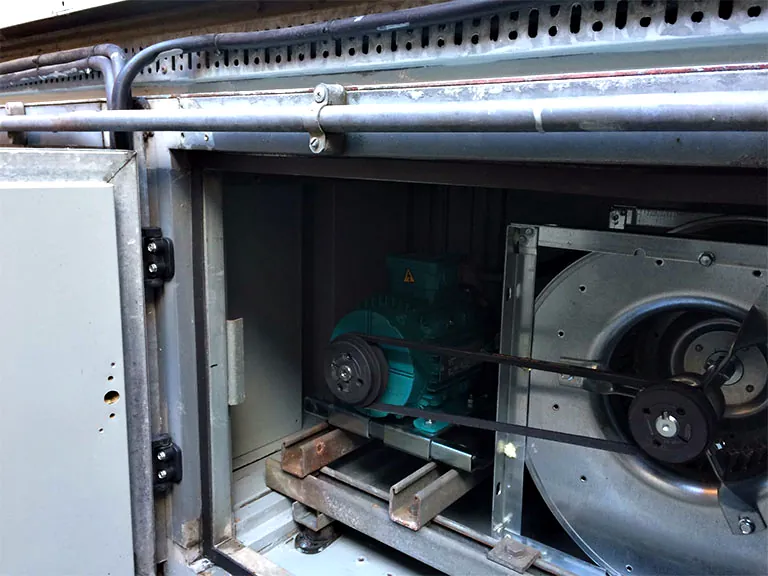
Planned Maintenance
PPM contracts for commercial sites, scheduled around your trading hours rather than ours.
Explore →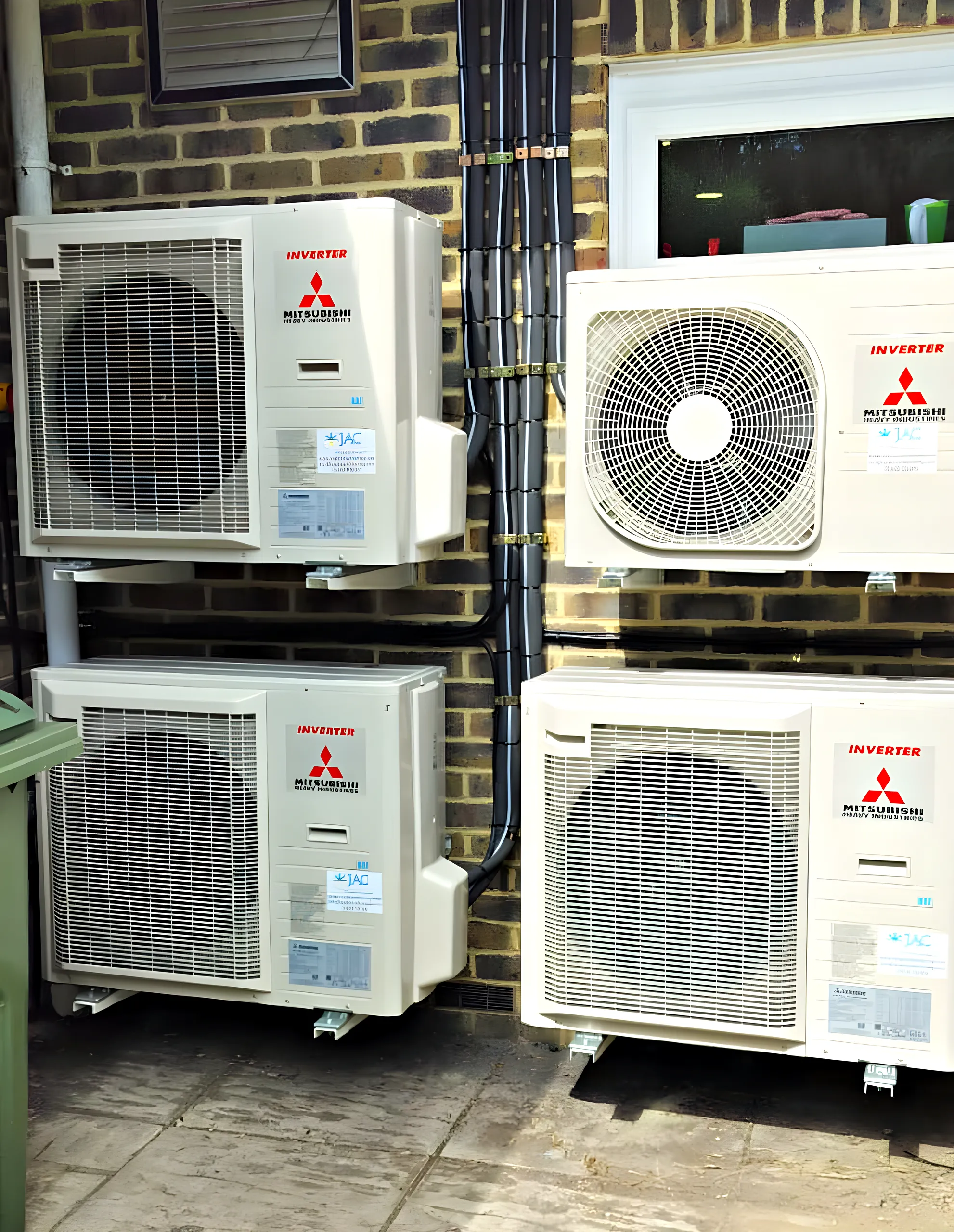
Specification Sheets
Download the data sheets for the Mitsubishi Heavy Industries and GENERAL systems we install.
Explore →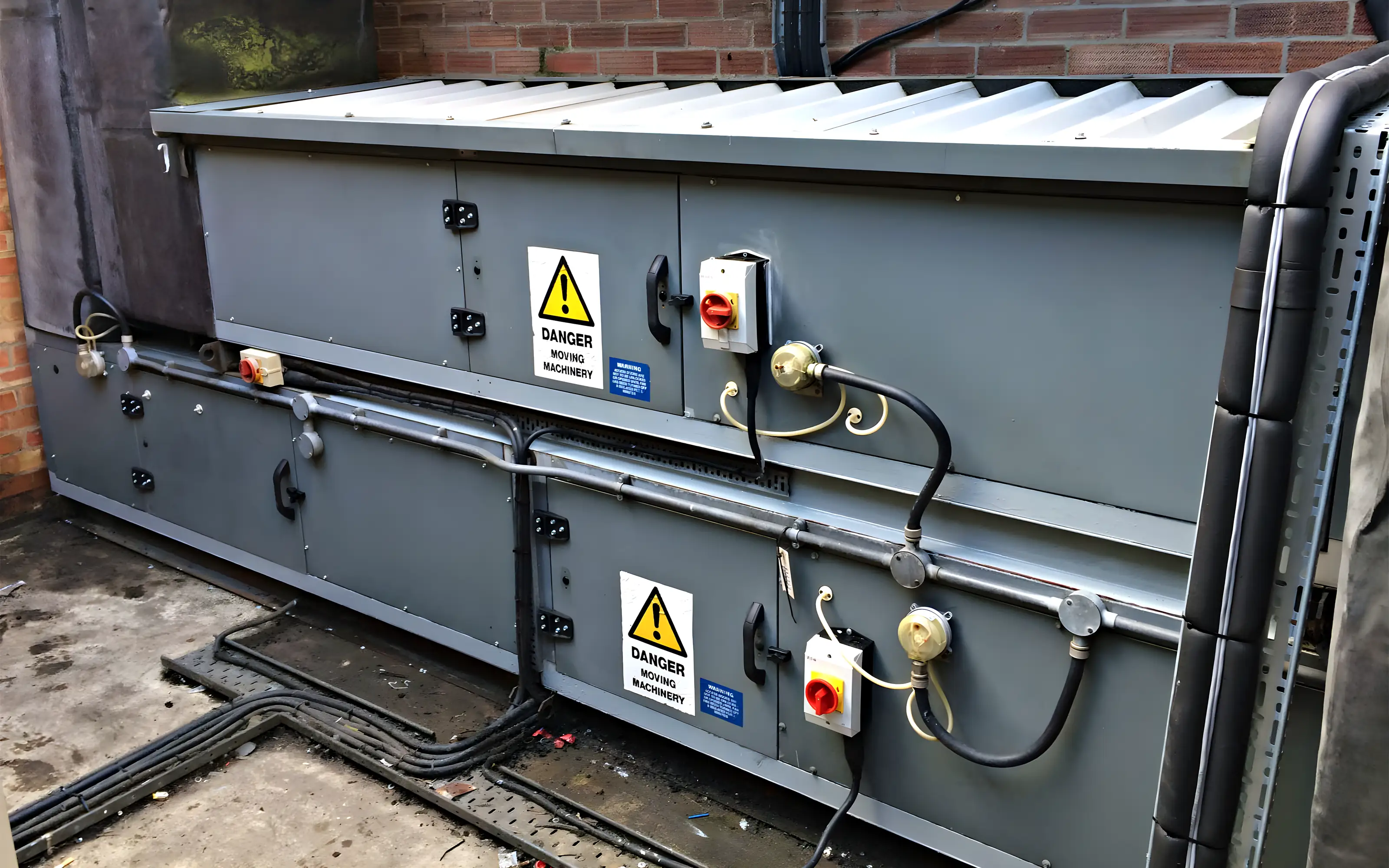
Air Handling
AHUs installed, maintained, repaired and refurbished. Filters, coils, fans, motors and dampers.
Explore →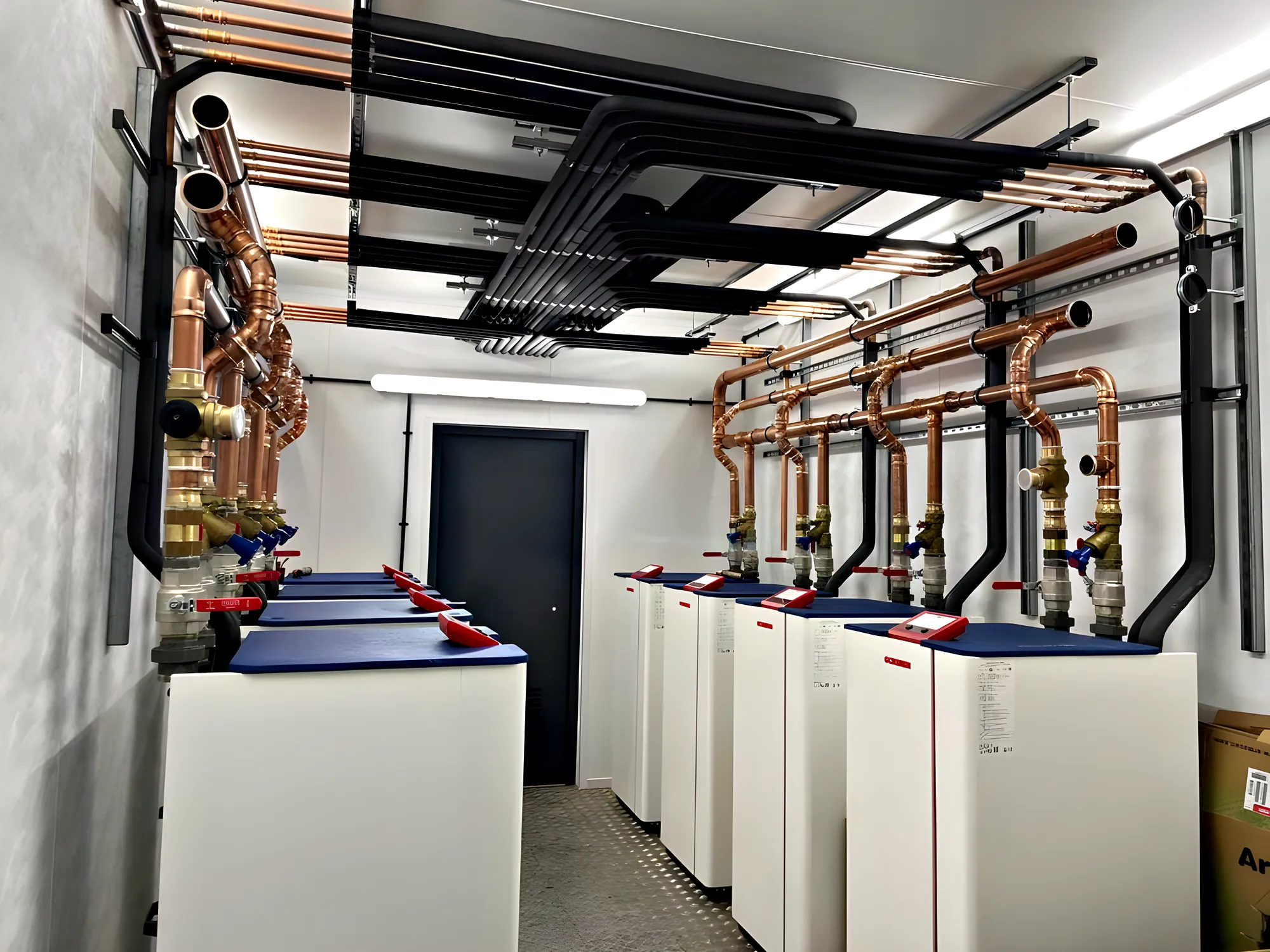
Mechanical Assembly
Pipework, manifolds, valves and plant room assembly, brazed, pressure tested and insulated.
Explore →Your Brighton Questions, Answered
Can you install air conditioning in a listed Regency house in Kemp Town or Brunswick Town?
Often, yes, once the question of consent is settled. The Kemp Town houses on Sussex Square, Lewes Crescent, Arundel Terrace and Chichester Terrace are Grade I, and Brunswick Town has over 550 listed properties, so an outdoor unit, a pipe run or a new hole may need listed building consent as well as planning permission. We look for a hidden position at the rear, in a basement area or on a flat roof, and check with the council before we drill.
Will sea air harm an outdoor unit near the Brighton seafront?
Salt in the air can deteriorate the metal parts of an outdoor unit, and several manufacturers warn about seaside locations in their installation manuals. Close to the front we choose a sheltered position where one exists, look for a unit with an anti corrosion coating on its fins where the UK range offers one, and recommend a service every year so the coil is cleaned and inspected.
I own a flat in a converted house in Montpelier or Hanover. What do I need before a survey?
Start by checking your lease and asking the freeholder, whose consent is often needed for fixings on the outside walls and for a shared pipe route. Most of the larger terraced houses in Montpelier and Clifton Hill are now flats, and over half of Hanover's houses have been converted, so many flat owners in these streets are in the same position. Montpelier also has a high concentration of listed buildings, so we check the address with the council as well.
My street is covered by an Article 4 Direction. Can I still have an outdoor unit?
It may be possible, particularly away from the front. Most of the city's heritage Article 4 Directions relate to fronts that face a street, footpath or open space, in areas such as North Laine, Preston Park, Round Hill and Queen's Park. A rear wall, a yard or a flat roof out of view is usually the place to start, and we check with the council before any work is arranged.
Who deals with planning in Stanmer, Rottingdean and Ovingdean?
It depends on where the property sits. The council says the Stanmer Conservation Area lies wholly within the South Downs National Park, where the National Park Authority is the local planning authority, and the Authority lists parts of the Ovingdean, Patcham and Rottingdean conservation areas as inside the Park too. Elsewhere in the city, Brighton and Hove City Council handles planning. We find out which applies to your address before planning the installation.
Can you fit air conditioning in a Brighton hotel, bar or restaurant without closing it?
Usually, yes, because the work is scheduled around opening hours. Hotels and bars in the Old Town and the Regency Square area are often in listed buildings or conservation areas, and premises in the beach arches have very little outside space. We survey for plant positions on rear roofs or in yards and can take on servicing and the F-Gas leak checks afterwards under a planned maintenance contract, keeping the records for you.
We Also Work Nearby
Arrange a Survey in Brighton or Hove
Ring 01403 733 492, write to info@jacairconditioning.com or book a free survey in Brighton online, and a written quotation naming the units will follow the visit. For a breakdown outside office hours, the number to use is the engineers' mobile, 07802 418530. JAC's REFCOM F-Gas company certificate is number REF1019419, with an expiry date of 25 May 2028.