
Air Conditioning in Haywards Heath
From the villas around Muster Green to the newer houses of Bolnore Village, we survey, install and service air conditioning that cools in summer and heats in winter across Haywards Heath.
A Railway Town and What Its Houses Mean for Air Conditioning
Haywards Heath grew up around its station, which opened on 12 July 1841 as the temporary southern terminus of the London and Brighton Railway, before the line was carried on to Brighton on 21 September that year. The council's character assessment says the railway underpinned the town's residential growth, drawing in commuters and people who wanted good access to Brighton or London. The town was officially recognised in 1862, and its early growth was driven both by the railway and by the county asylum, later St Francis Hospital, built south of the station in 1859.
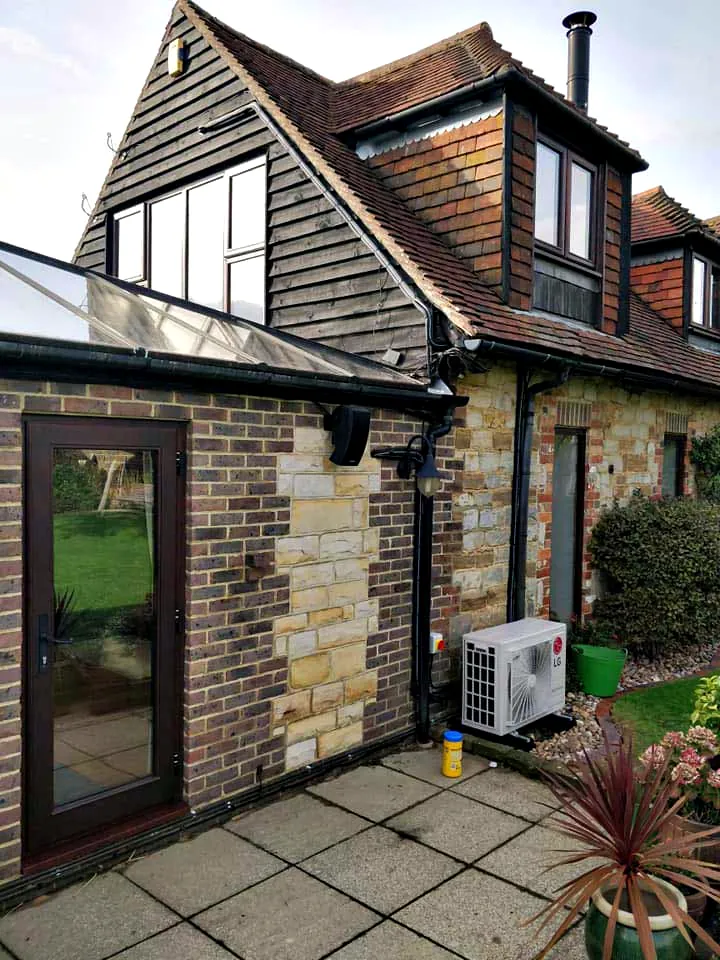
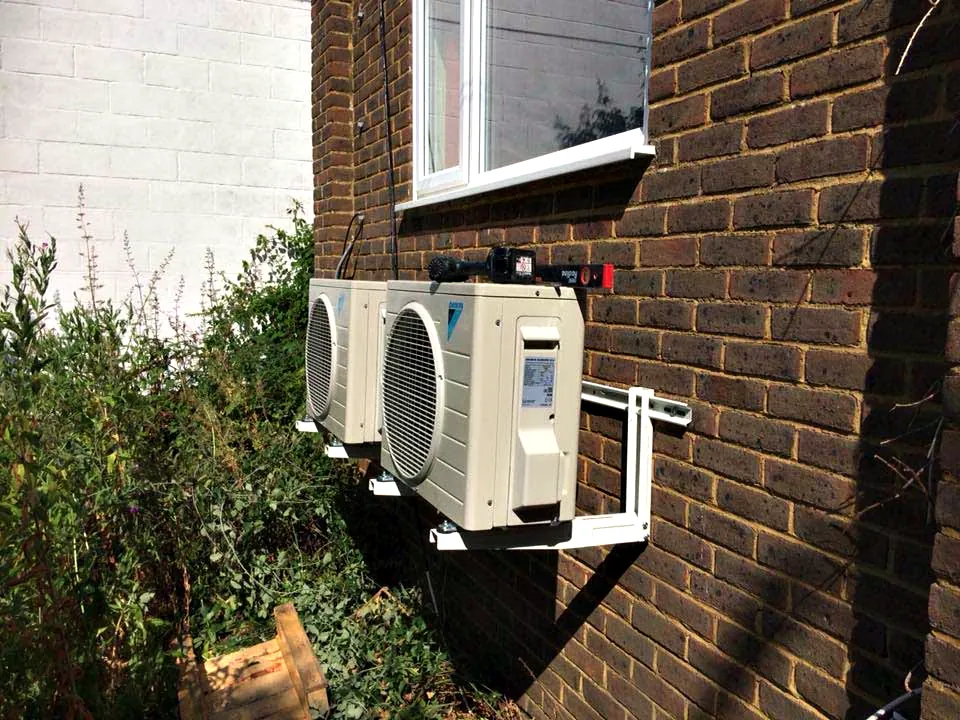
That history is what we meet on a survey here. Close to the centre stand large Victorian and Edwardian villas of brick, render and timber sash windows, several of them inside a conservation area. Beyond them come the suburbs laid out before 1947, then post war estates and blocks of flats, and to the south west the newer houses of Bolnore Village. Each kind of house gives a different answer to the same three questions: which wall can take the outdoor unit, how the pipework reaches the room, and whether anybody else has to agree first.
The town also sits high. Mid Sussex District Council's appraisal for The Heath places the town on a minor east to west ridge, with its highest point near St Wilfrid's Church and fine views from the higher ground towards the High Weald, and the council's character assessment pictures the view south from St Wilfrid's with the South Downs in the distance. On the higher ground an outdoor unit may be visible from further away than its owner might expect, so we think about where an outdoor unit will be viewed from, not only how it looks from the pavement outside.
The Houses of Haywards Heath, Era by Era
Most homes in the town belong to one of five broad groups, and each group shapes where the outdoor unit can sit and how the pipe run is planned.
Villas Around Muster Green and the Heath
Big detached and semi detached villas in generous gardens line Heath Road, Oathall Road, Paddockhall Road, Church Road and Sydney Road, many in dark red Wealden clay brick with clay tile or slate roofs, white or cream render and timber sash windows. Several of these roads fall within the Muster Green and The Heath conservation areas, where an outdoor unit may need planning permission, so we check with the council before we drill. We keep units to rear or side elevations out of view from the street and plan pipe routes that leave original brickwork, render and sash joinery alone. Tall rooms with high ceilings are sized with particular care at survey.
The Early Suburbs
Before the First World War the town spread along roads such as Gordon Road, Queens Road, Lucastes Road, Haywards Road, Ashenground Road, Kents Road and Western Road, and by 1947 the interwar suburbs reached almost to Lindfield, taking in streets such as Sunnywood Drive, Highland Road, Bentswood Road and Sunte Avenue. Brick houses of this age usually allow an outdoor unit on a rear or side wall, or on a ground level plinth in the garden, with the pipework taken neatly through the wall behind the indoor unit. Part of Lucastes Road lies in the Lucastes Conservation Area, so we check the address before any work is planned.
Franklands Village and Mill Hill Close
Franklands Village was founded in the 1930s by the local Rotary Club as a model village of uniform, distinctively designed houses with wide grass verges, while Mill Hill Close is a late 1930s group of flats and houses set around a communal landscaped garden and pool, designed by the local architect Harold Turner. Both are conservation areas whose character depends on a consistent appearance, so an outdoor unit may need consent and is best placed out of sight from the street. At Mill Hill Close the freeholder or management may also need to agree to fixings on the walls.
Estates and Town Centre Flats
Since 1947 housing estates have extended the town in most directions, from the Vale Road area in the south west to Birchen Lane and Fairfield Way in the north, and nearer the centre most new homes have been blocks of flats on roads such as Boltro Road and Perrymount Road, often in place of large late Victorian villas. Houses of this period usually have cavity walls and simple rear gardens, so a back to back installation with a short pipe run is often possible. In a block of flats the lease or managing agent may control what can go on the outside walls, so it pays to ask for permission before the survey.
Bolnore Village and Newer Building
Planning for Bolnore Village, south west of the town, was approved in the late 1990s and its first house was completed in October 2002, with further development since at Sandrocks south of the A272 and to the north of the town. Newer houses are well insulated and airtight, so each unit is sized to its room rather than chosen by habit. Look through the deeds for any estate covenants or management company rules about fixtures on outside walls before deciding where the outdoor unit should go.
Home Office Heat Load
Haywards Heath grew around its railway station and its commuters. On the days the commute ends at the spare room, add what is in it and watch the heat it gives off against the common sizes of unit.
Heat from the room’s contents
507watts
About 0.5 kW on these figures
- People
- 132 W
- Equipment
- 75 W
- Sun
- 300 W
- Left of 2.0 kW
- 1.5 kW
The shaded part of the bar is what a 2.0 kW unit, the smallest common size, has left for the heat that comes in through the walls, roof and glass. That part is what our survey measures.
That is more than the smallest common size of 2.0 kW before the walls, roof and glass are counted, so the survey will look at the larger sizes.
A guide only. Jay or Oscar size the unit to the whole room on the survey.
The room’s contents give off about 507 watts, about 0.5 kW.
Start From
People
About 132 W each, moderately active office work
Laptops
About 20 W each, see the note below
Desktop Computers
About 55 W each, in continuous use
Monitors
About 55 W each, an older screen figure
Printer
About 75 W, a small laser printer at work
Sun on the Window
A rough allowance, see the note
How This Guide Works
The figures for people and equipment come from the ASHRAE Fundamentals handbook of 2001, Chapter 29, converted from Btu per hour to watts and rounded. A person doing moderately active office work gives off about 132 W, a desktop computer in continuous use about 55 W on the table’s average value, and a small desktop laser printer about 75 W while printing a page a minute.
These are approximate figures for older equipment. The monitor figure is for the smallest screens of the tube era, and the table has no figure for a laptop, so a laptop is counted at the table’s figure for a computer in energy saver mode, about 20 W. ASHRAE’s own guidance notes that most office equipment runs at a fraction of the power printed on its label.
The sun is not from the table. It is a rough allowance of our own for sun through an ordinary window: about 300 W for morning sun and about 500 W for afternoon sun, when the room has already warmed. The real figure depends on the size of the glass, the way it faces and any shade, and the survey measures it properly.
Source: ASHRAE Handbook, Fundamentals, 2001, Chapter 29, Tables 1, 8 and 9 (heat gain from people and office equipment).
What We Fit in Homes in Haywards Heath
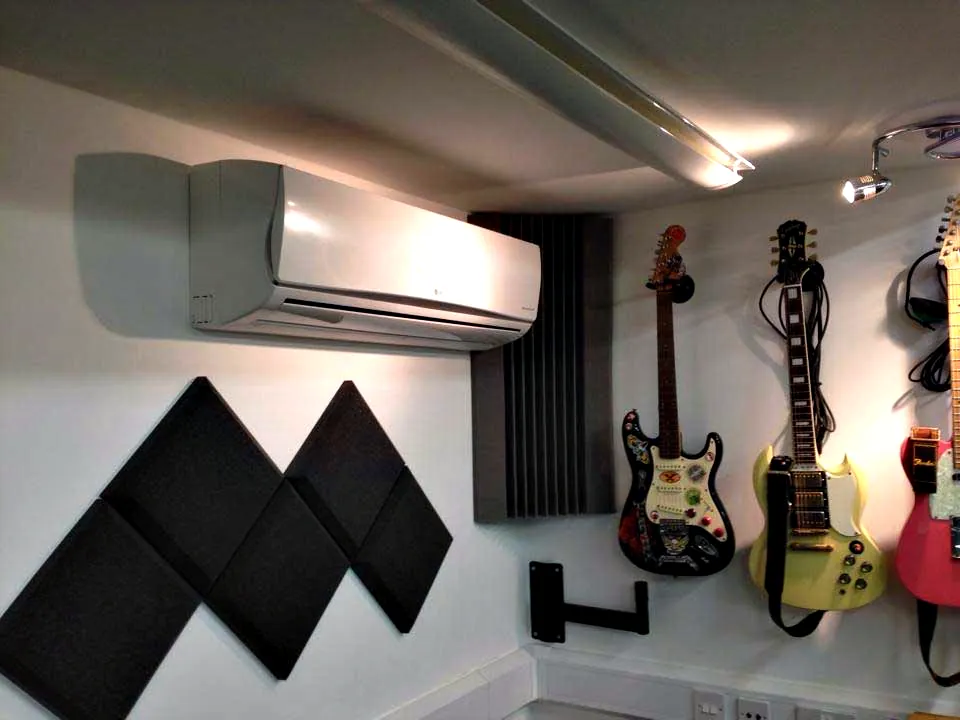
For most houses in the town the answer is a quiet wall mounted unit in a bedroom or living room, or a multi split system that serves two or more rooms from a single outdoor unit, which helps when the house offers only one sensible wall for it. In the larger villas a ducted system can sometimes be hidden in a loft or ceiling void, with only slim grilles showing in the rooms. The split systems we install heat the house in winter as well as cooling it in summer.
A study or spare bedroom used as a home office can easily become the warmest room in the house. Screens, a printer and a person at a desk all add heat to a small room through the working day. Office equipment generally gives off much less heat than its rating plate suggests, so we size the unit at the survey from the room itself, its windows and the way it is used, never from the labels on the equipment.
The brands we install are Mitsubishi Heavy Industries, Mitsubishi Electric, Daikin, Fujitsu, GENERAL, Samsung and LG. Holding Mitsubishi Heavy Industries 3 Diamond Dealer status, we know that range in particular depth. Our page on air conditioning installation sets out each stage, from the survey and sizing through brazed and pressure tested pipework to commissioning and warranty registration.
Conservation Areas and Listed Buildings in the Town
Mid Sussex District Council has designated six conservation areas in Haywards Heath: Muster Green in June 1979, then Franklands Village, Lewes Road, Lucastes and The Heath in March 1989, and Mill Hill Close in January 2000.
Muster Green has substantial Victorian and Edwardian houses in large gardens around a tree lined green, and two listed buildings, The Old House and The Dolphin, both believed to date from the 16th century. The Heath covers parts of Heath Road, Sydney Road and Oathall Road around Clair Park, the last remaining part of the original heath, and includes 1920s and 1930s houses in the Sussex vernacular by Harold Turner.
Lucastes is mostly 1950s and 1960s houses with several substantial Victorian dwellings among them, and takes in Lucas's, a listed late 16th century farmhouse, together with its barn. Lewes Road, on the A272 on the east side of the town, is low density, with large properties set well back from the road in spacious grounds. Franklands Village has a village pond and a timber church as well as its uniform buildings and wide grass verges.
An outdoor unit in any of these areas, or on a listed building anywhere in the town, may need consent. We check before we drill, propose a position that keeps the unit out of the street scene, and recommend that you confirm with Mid Sussex District Council before the installation date is fixed.
Commercial Air Conditioning in Haywards Heath
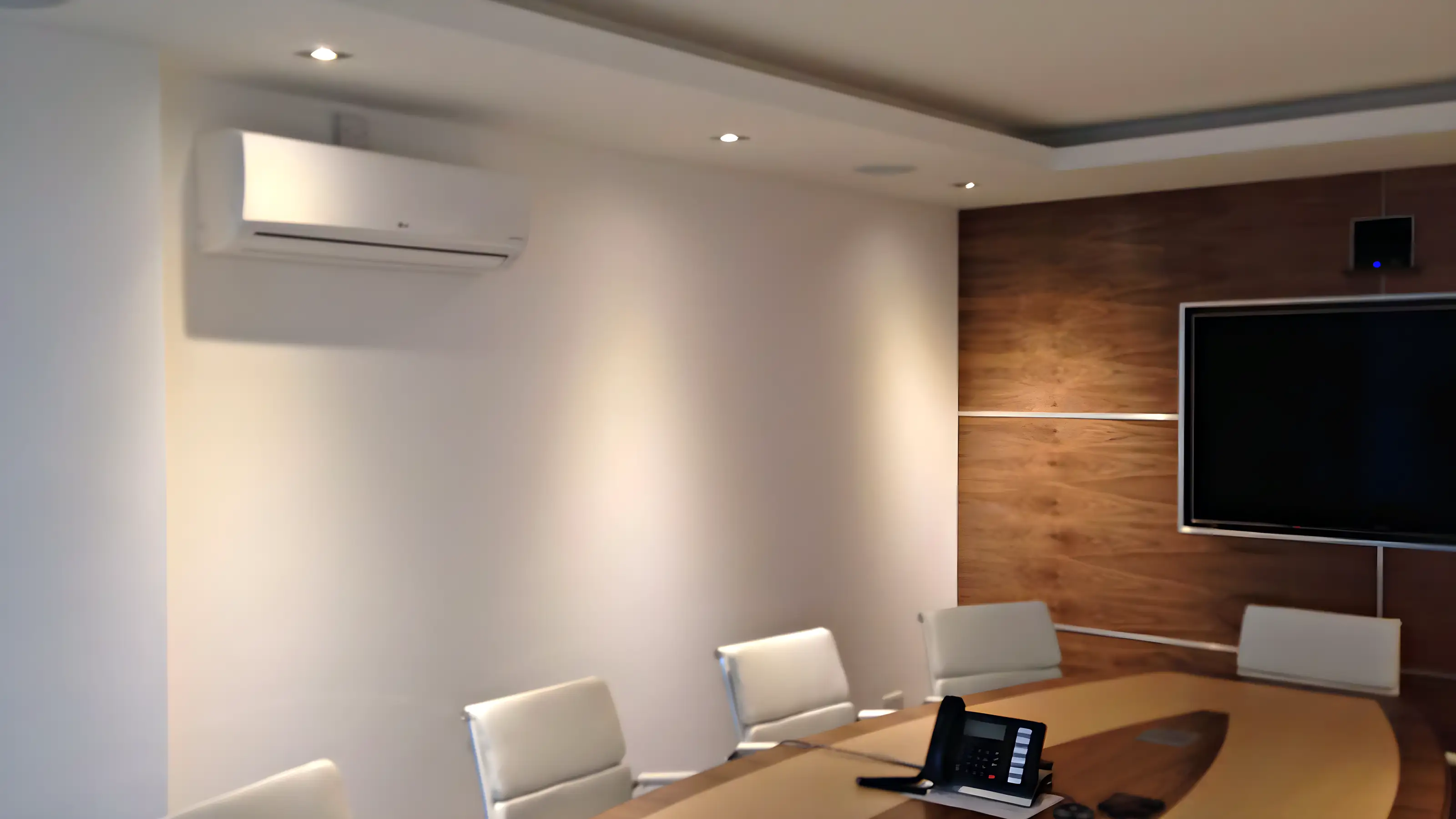
Perrymount Road has a number of large office buildings and has traditionally been the base for office employment in central Haywards Heath, and the Neighbourhood Plan protects it as an employment area. The council's town centre masterplan describes major office buildings filling the ground between the busy commuter station and the main shops up the hill to the south. For offices like these we design and install ceiling cassettes and ducted systems, and take on existing plant under a planned maintenance contract.
The main shopping streets are South Road and The Orchards Shopping Centre, with The Broadway and Sussex Road as secondary frontages, and The Broadway is known for its restaurants and cafés and is the focus of the town's evening economy. Kitchens, shop floors and comms cupboards each produce their own heat, and we plan installations around trading hours so the doors can stay open. How we plan, install and look after systems for businesses is set out on our commercial air conditioning page.
Larger systems carry legal F-Gas duties. A system holding 5 to under 50 tonnes CO2 equivalent of refrigerant needs a leak check once a year, or every two years where automatic leak detection is fitted, and bigger systems need checking more often. We carry out the checks and keep the records for you.
Air Handling Units and Commercial Servicing in Haywards Heath
Offices like those on Perrymount Road often take their fresh air from an air handling unit that serves whole floors at once. Air handling maintenance in Haywards Heath keeps those floors comfortable by freeing sticking dampers and balancing the airflow, so no corner of the office is left stuffy.
When an office is split into smaller rooms, air handling refurbishment in Haywards Heath can reconfigure the unit inside its existing casing rather than replacing it. The restaurants and cafés on The Broadway and the shops on South Road can have commercial air conditioning servicing in Haywards Heath under one planned maintenance agreement.
Getting to You From Horsham, and Servicing Afterwards
Haywards Heath is about 11 miles east of our Horsham office on Worthing Road, so surveys, installations and repair visits are straightforward to arrange. Jay and Oscar, our engineers, quote and carry out the work themselves, and Nicola in the office books every visit.
Booking a service once a year helps the system run as designed and keeps the manufacturer's warranty valid. Our air conditioning servicing visits clean the filters and coils, clear the condensate drain and test the fans, electrics, refrigerant pressures and controls, and each one ends with a written record for your files. Repairs are priced before they begin, and we take on any major make, including systems we did not install.
Burgess Hill lies just to the south, and our page on air conditioning in Burgess Hill looks at its Victorian terraces and new estates.
Villages Around Haywards Heath
The villages around the town are part of our regular area too, and many of them have conservation areas of their own.
- LindfieldRH16
Lindfield's High Street and Common have been a conservation area since 1969, with a pond, a 13th century church and buildings of medieval and Georgian origin.
- CuckfieldRH17
The conservation area here centres on South Street and the High Street, with surviving medieval buildings, a 13th century Grade I church and Ockenden Manor.
- ArdinglyRH17
The conservation area has two parts, one around Church Lane with its 14th century church and large houses in spacious grounds, and the other on the High Street.
- Scaynes HillRH17
A village in Lindfield Rural parish on the A272, 2.2 miles east of Haywards Heath.
- WalsteadRH16
A hamlet about 1.5 kilometres south east of Lindfield.
- AnstyRH17
Ansty lies on the A272 about 1.4 miles south west of Cuckfield, in the parish of Ansty and Staplefield.
- BolneyRH17
The conservation area runs in two parts along Bolney Street, the southern part including the Grade I Church of St Mary Magdalen with its Norman chancel and nave.
- StaplefieldRH17
A mainly residential village of varied ages and styles, and a conservation area since 1984.
- Horsted KeynesRH17
The conservation area covers Church Lane, with its 13th century church, and The Green, lined mainly with two storey brick buildings.
- BalcombeRH17
The conservation area runs from the central crossroads to St Mary's Church, with buildings dating from the 16th and 17th centuries.
Our Services in Haywards Heath
The same engineers on every job, from a single bedroom unit to a plant room.
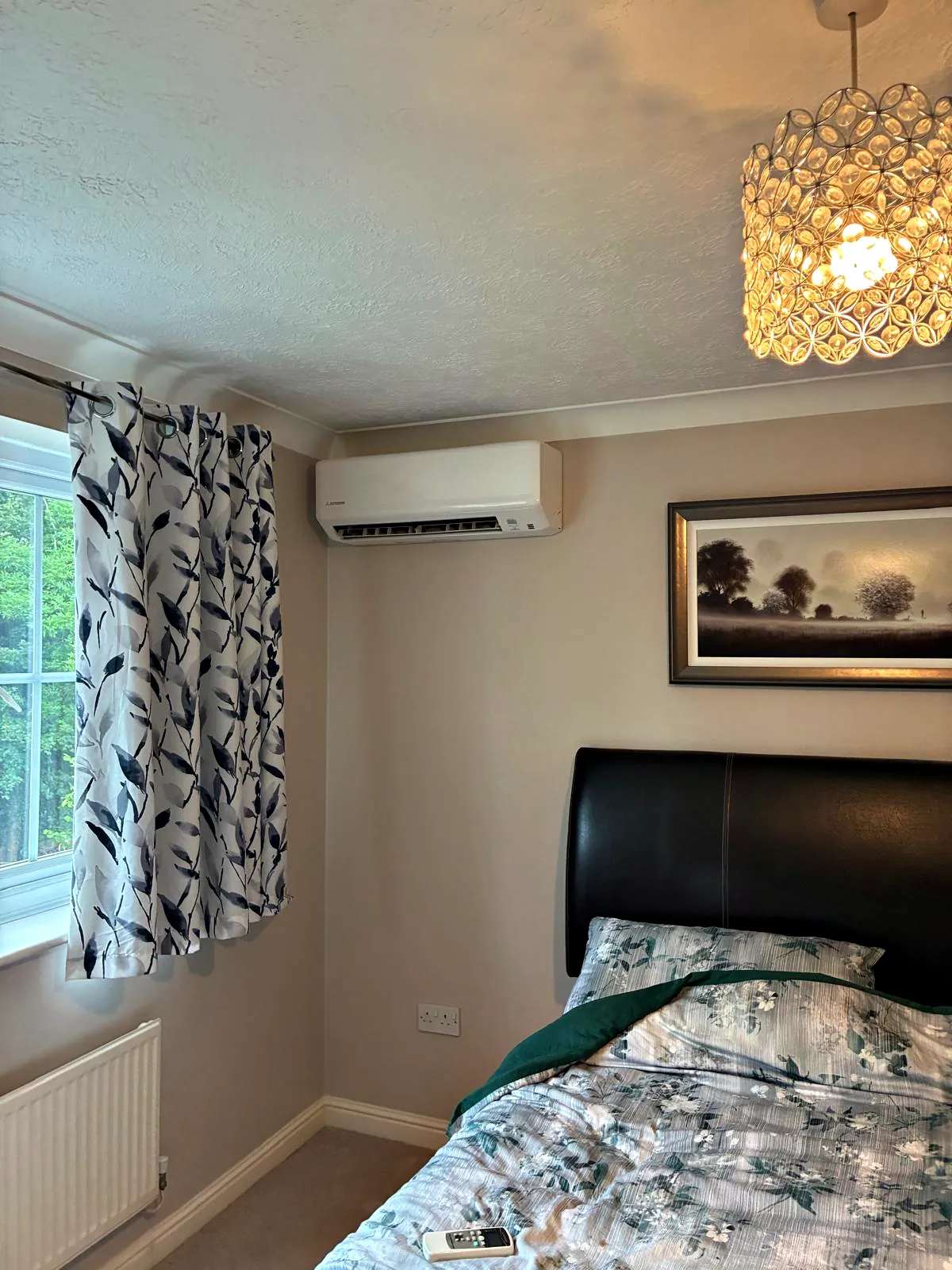
Domestic Air Conditioning Installation
Single split, multi split and ducted systems for houses, bungalows, park homes and garden rooms.
Explore →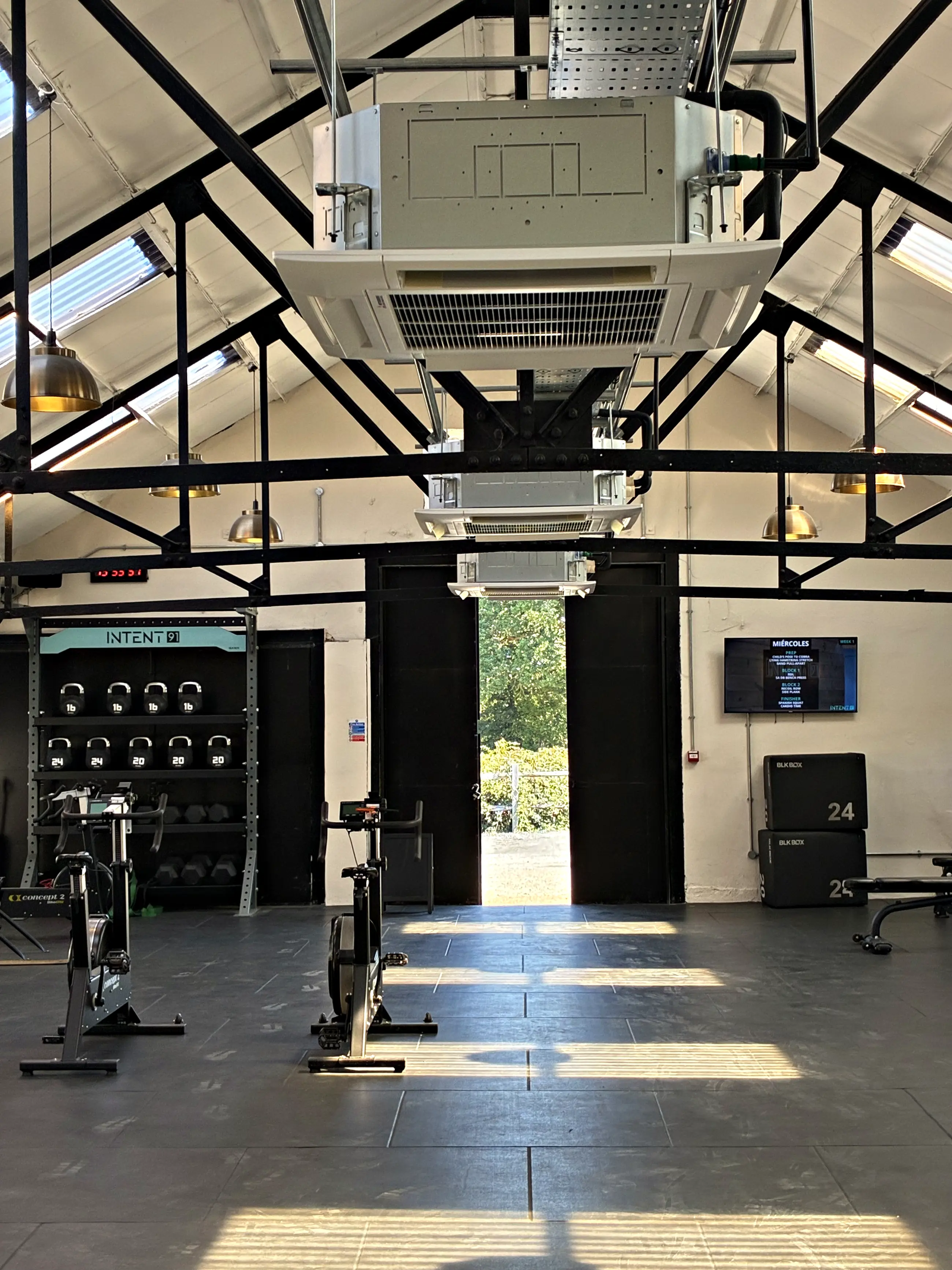
Commercial Air Conditioning
Design, installation and planned maintenance for offices, shops, bars, hospitality and industrial units.
Explore →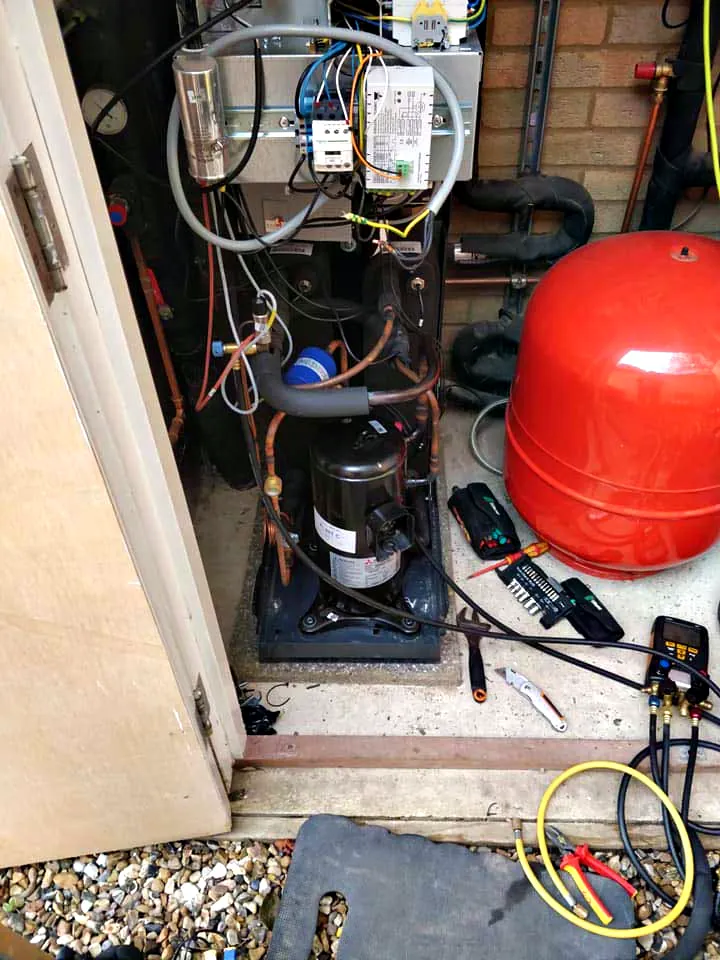
Air Conditioning Repairs
Fast diagnosis and repair on any major brand, priced before we start, genuine parts fitted.
Explore →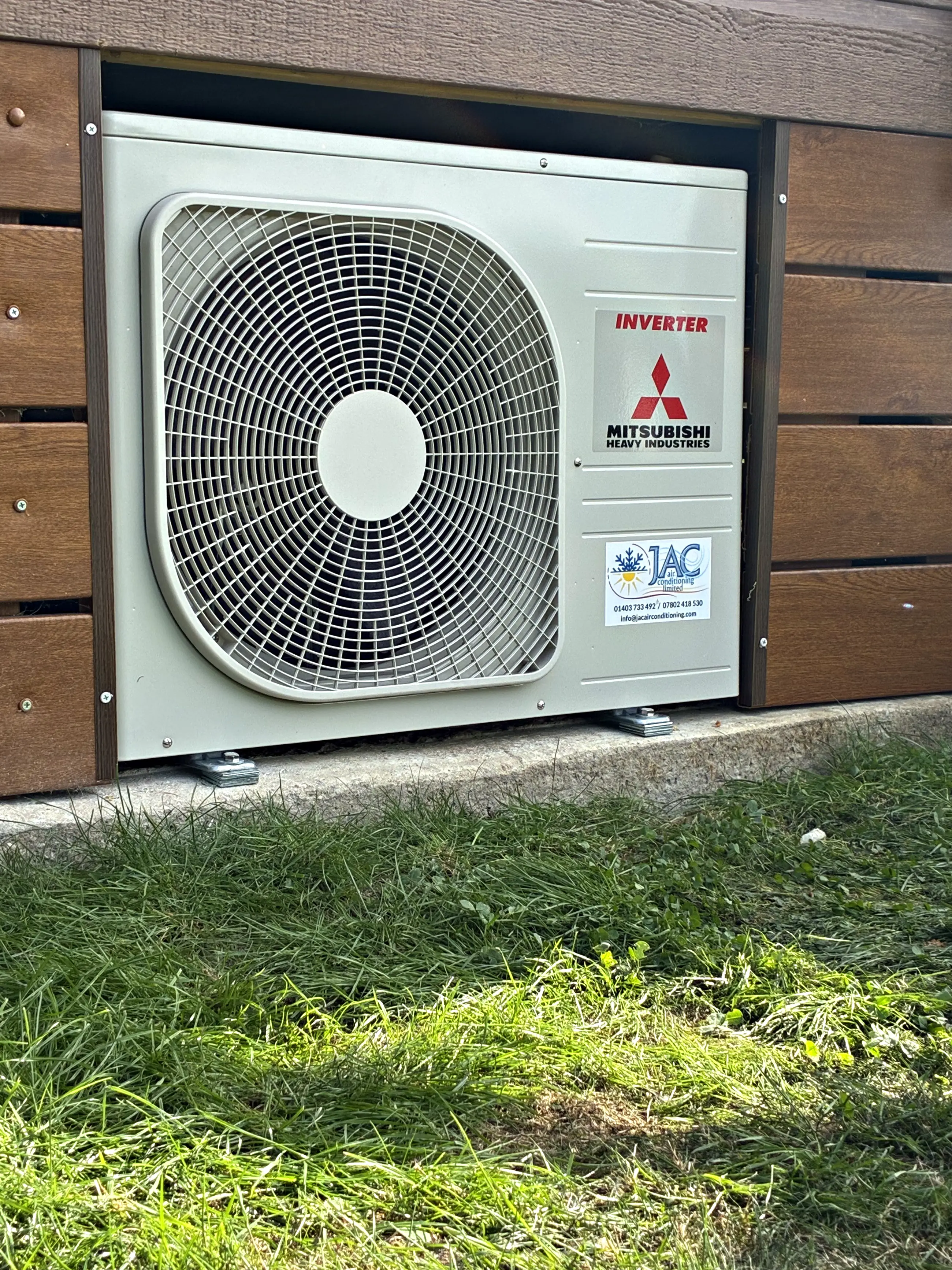
Air Conditioning Servicing
Filters, coils, drains, electrics and refrigerant, with a written record every visit.
Explore →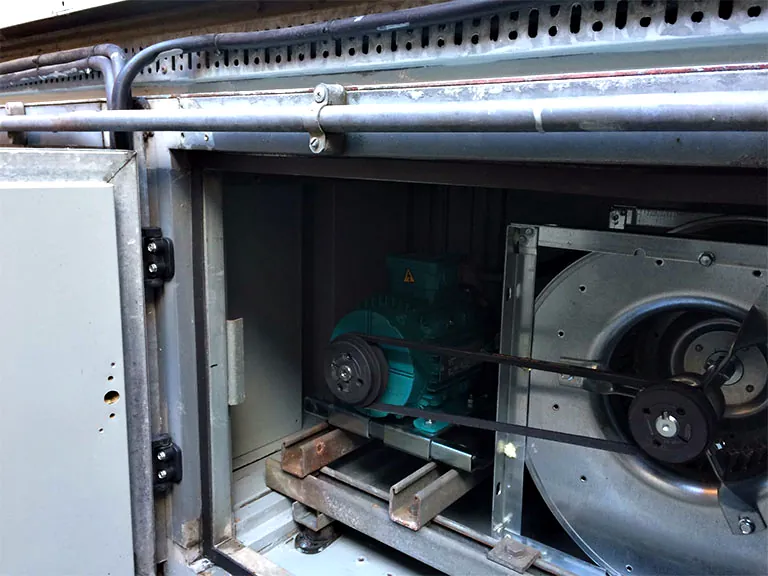
Planned Maintenance
PPM contracts for commercial sites, scheduled around your trading hours rather than ours.
Explore →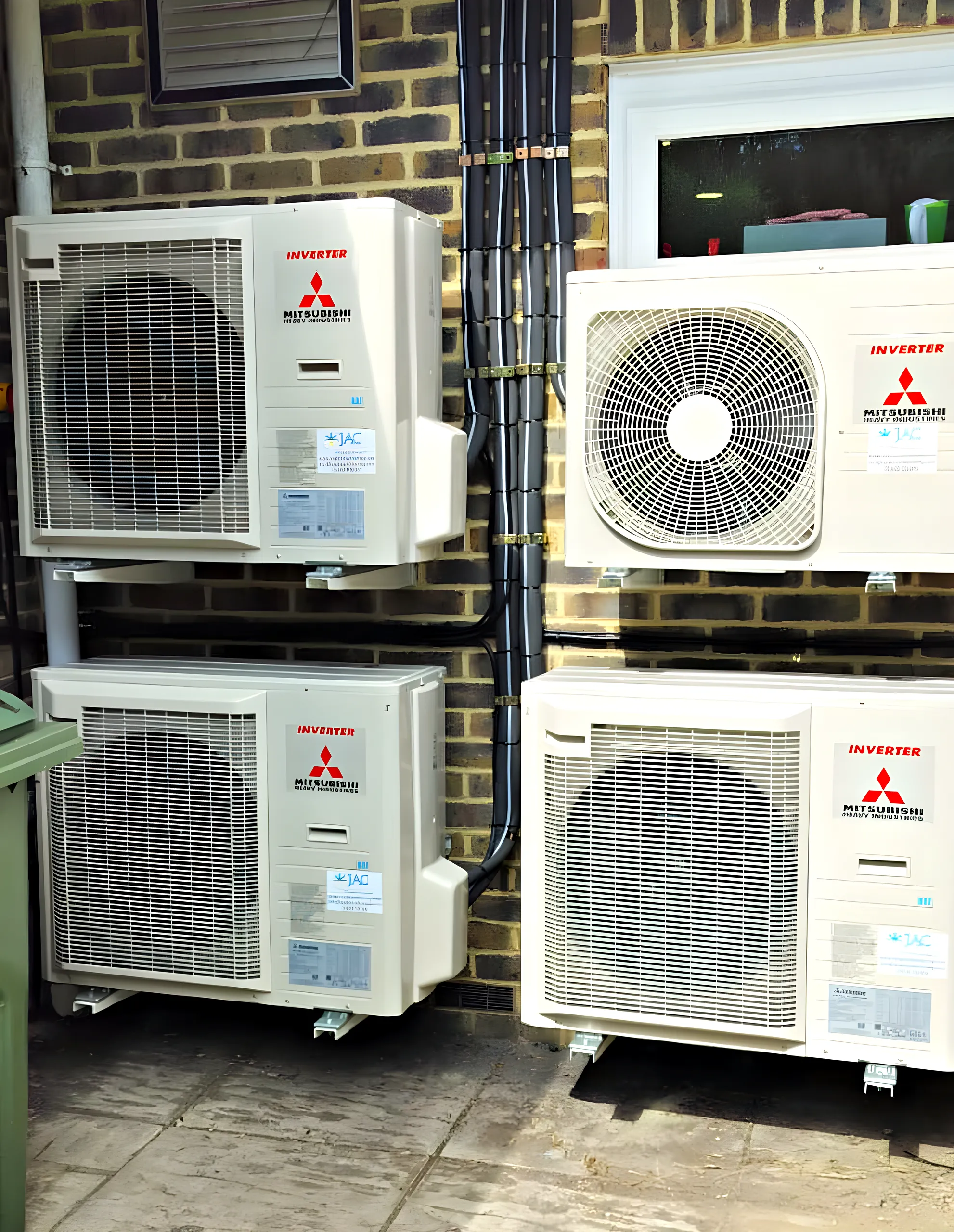
Specification Sheets
Download the data sheets for the Mitsubishi Heavy Industries and GENERAL systems we install.
Explore →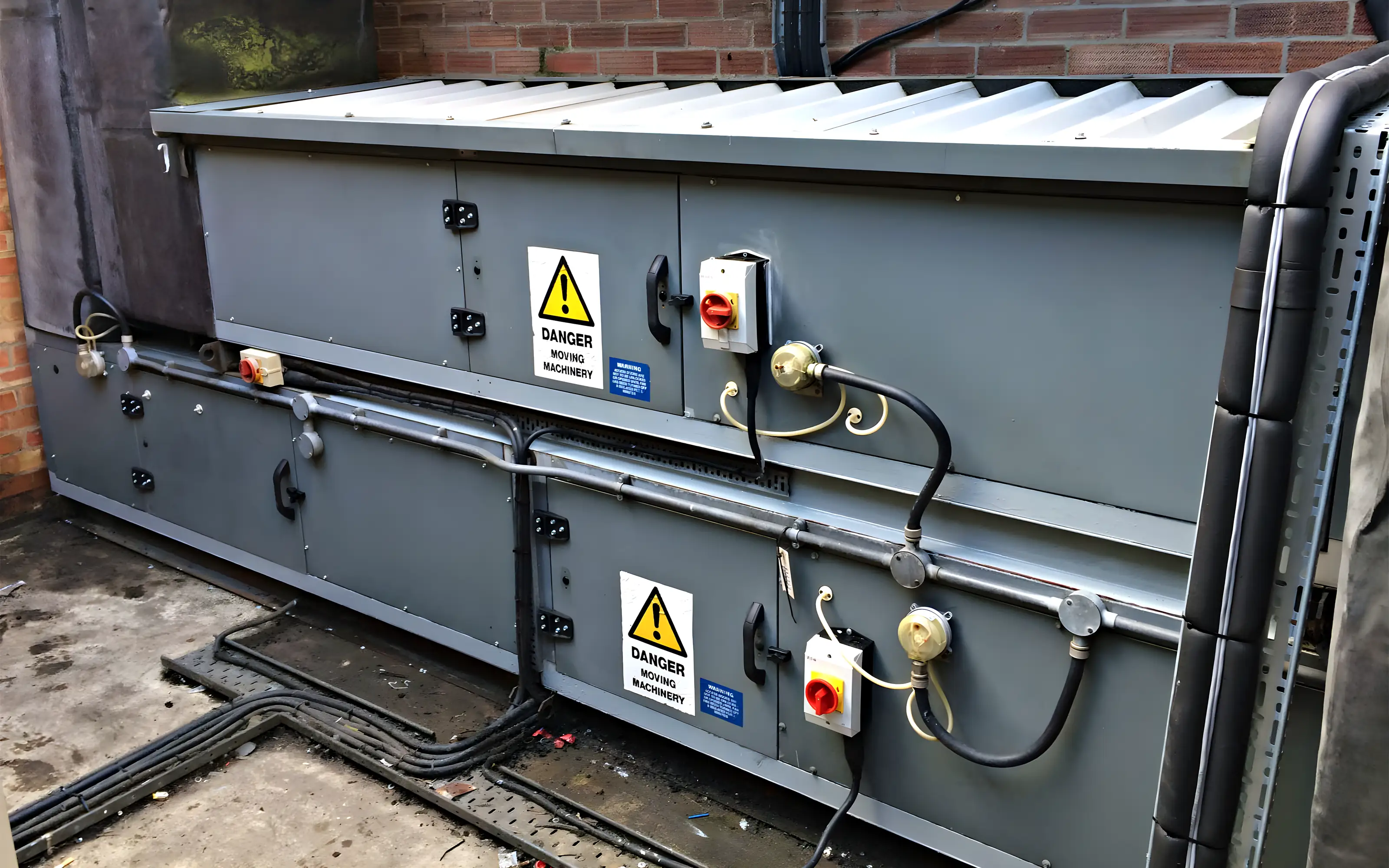
Air Handling
AHUs installed, maintained, repaired and refurbished. Filters, coils, fans, motors and dampers.
Explore →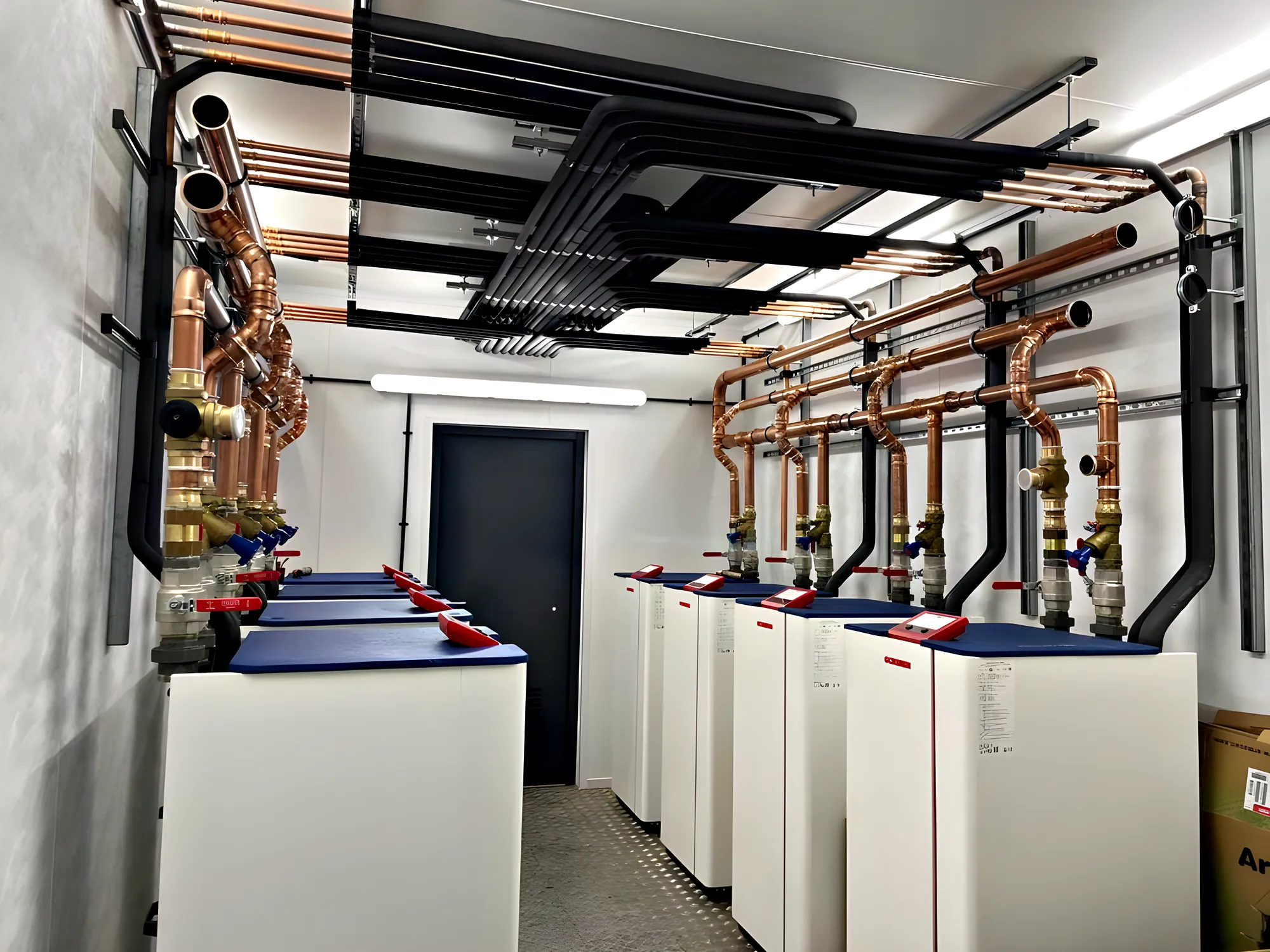
Mechanical Assembly
Pipework, manifolds, valves and plant room assembly, brazed, pressure tested and insulated.
Explore →Your Haywards Heath Questions, Answered
Will an outdoor unit in a Haywards Heath conservation area need planning permission?
You may. The town has six conservation areas, including Muster Green, The Heath, Lucastes and Franklands Village, and an outdoor unit in any of them may need planning permission, especially where it can be seen from the street. We check the address before we drill, suggest a position at the rear or side of the house, and recommend confirming with Mid Sussex District Council before the work goes ahead.
Can you put air conditioning into a Victorian villa near Muster Green?
Yes, with care. These houses typically have dark red brick, render and timber sash windows, so we plan the pipe route to avoid cutting across original brickwork or joinery, and we keep the outdoor unit to a rear or side wall. Large rooms with high ceilings need careful sizing, which we work out properly at the survey rather than guessing from the floor area.
I live in a flat on Perrymount Road or Boltro Road. Who do I need to ask first?
Start with your lease and your managing agent or freeholder, because they may control what can be fixed to the outside walls and whether a hole can be made through one. If you can, ask for their permission before the survey. Once we know what is allowed, we can suggest where the outdoor unit could sit and how the pipework would reach your rooms.
Are there rules about outdoor units on houses in Bolnore Village?
There may be. Homes on newer estates can carry covenants in the deeds, or management company rules, about fixtures on outside walls, so read those before choosing a position. Bolnore Village houses are also well insulated and airtight, so we size each unit to its own room at the survey, which avoids fitting a system that is larger than the room needs.
Can you keep a home office in Haywards Heath cool through the summer?
Yes. A study or spare bedroom with a computer, screens and a printer warms up over a working day, more so with sun on the window. A single wall mounted unit is often all it takes, and it heats the room in winter too. Equipment gives off less heat than its rating plate suggests, so we base the size on the room, the glazing and how you use it.
Will you service a Haywards Heath system that another company installed?
Yes. Our engineers work on all the major makes, whoever fitted them, and Haywards Heath is about 11 miles from our Horsham office. Each service takes in the filters and coils, the condensate drain, fans and electrics, refrigerant pressures and the controls, and you keep a written note of what we found, which also helps keep the manufacturer's warranty valid.
We Also Work Nearby
Book a Survey in Haywards Heath
To arrange a free survey, phone 01403 733 492, email info@jacairconditioning.com or send us your postcode, and a written quotation naming the units will follow. If a system breaks down outside office hours, the engineers can be reached on 07802 418530. Every refrigerant job we carry out is covered by our REFCOM F-Gas company certificate, REF1019419, valid until 25 May 2028.