
Air Conditioning in Hassocks and Keymer
At the foot of the South Downs, Hassocks mixes Victorian railway houses, the old cores of Keymer and Clayton and newer homes to the north. We survey, install and service air conditioning across the parish and its neighbours.
A Downland Village Shaped by the Railway
Hassocks parish has the built up area of Hassocks and Keymer at its centre and the hamlet of Clayton to the south. Much of it grew as a result of the London to Brighton railway line, built in the 1840s, and the village still has its own station on the line. The Mid Sussex District Plan places Hassocks and Keymer in its second tier of settlements: larger villages that act as local service centres for the rural area around them.
South of Underhill Lane the steep north facing chalk scarp of the South Downs dominates the countryside of the parish, and the main built up area sits at the foot of the slopes. The parish also takes in the Jack and Jill windmills at Clayton, which can be seen from the South Downs Way, and the neighbourhood plan describes the village and its station as a gateway for visitors to the National Park. To the west, east and north, narrow but important gaps of generally undeveloped land separate Hassocks from Hurstpierpoint, Ditchling and Burgess Hill.
That position on the edge of the National Park is what makes Hassocks unusual for air conditioning. Most homes are planned by Mid Sussex District Council, but the southern part of the parish, including Clayton, lies inside the South Downs National Park, and there the Park Authority takes the planning decisions instead. Both authorities made the Hassocks Neighbourhood Plan in 2020. Before we decide where an outdoor unit goes, we find out which authority covers the address, whether it sits in one of the two conservation areas, and what the walls are made of.
Hassocks Homes and What They Mean for an Installation
Hassocks has grown through the 19th, 20th and 21st centuries rather than in a single period, and its homes fall into four broad groups, each with its own answer on unit position and pipe routes.
Keymer and Clayton
Most buildings in Keymer's historic core are over 100 years old, and the Old Manor House at 102 and 104 Keymer Road goes back to the 15th century, with the small terraced cottages of Keymer Terrace, stone walls and traditional materials around them. Clayton gathers flint, brick, hanging tiles and roof tiles around its church and former farm buildings on a narrow sunken lane. Both are conservation areas with listed buildings, so an outdoor unit or pipe run on a wall facing the street may need consent, and in Clayton the National Park Authority handles planning. We look for a garden or rear position out of view and check with the right authority before we drill.
Houses That Followed the Railway
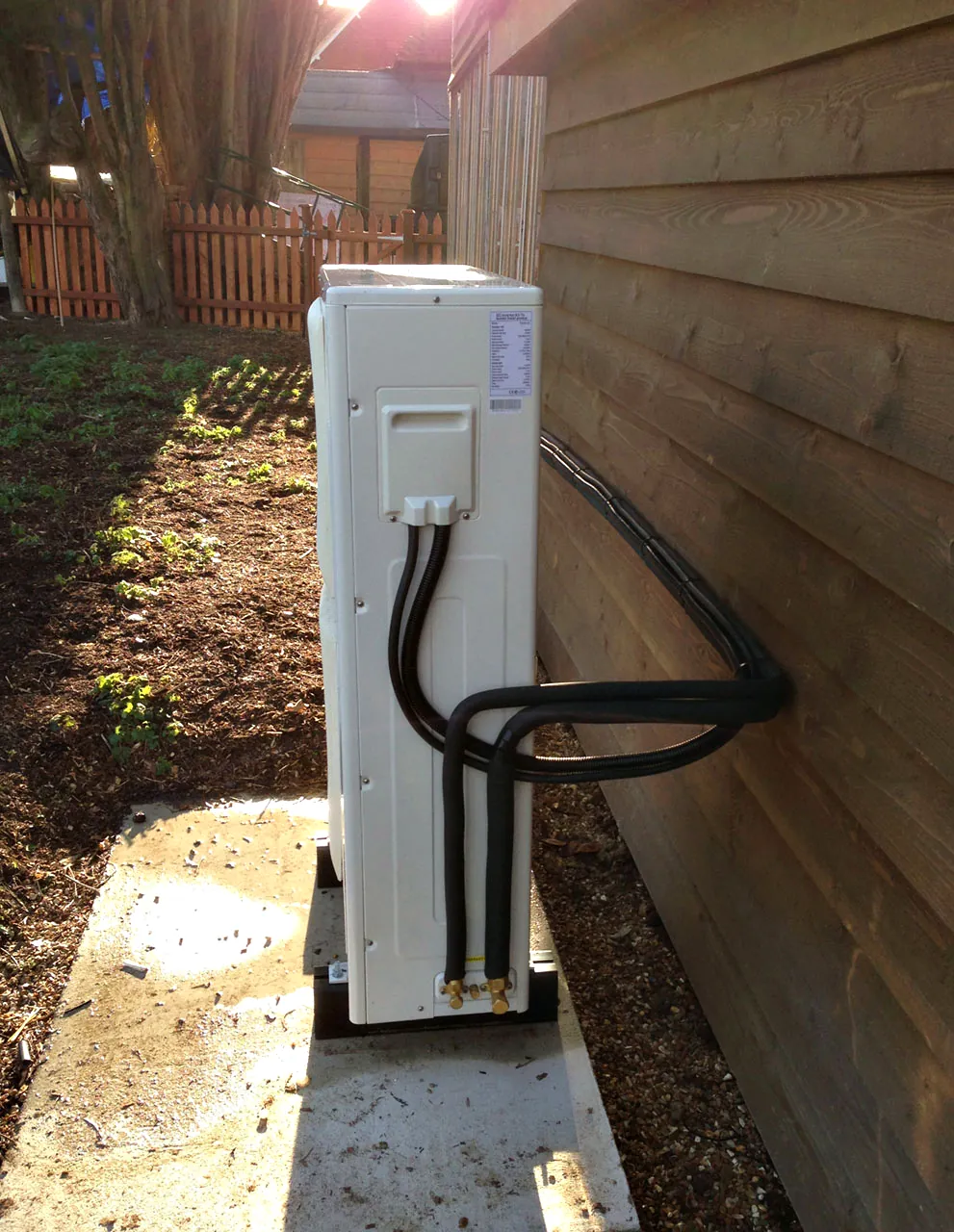
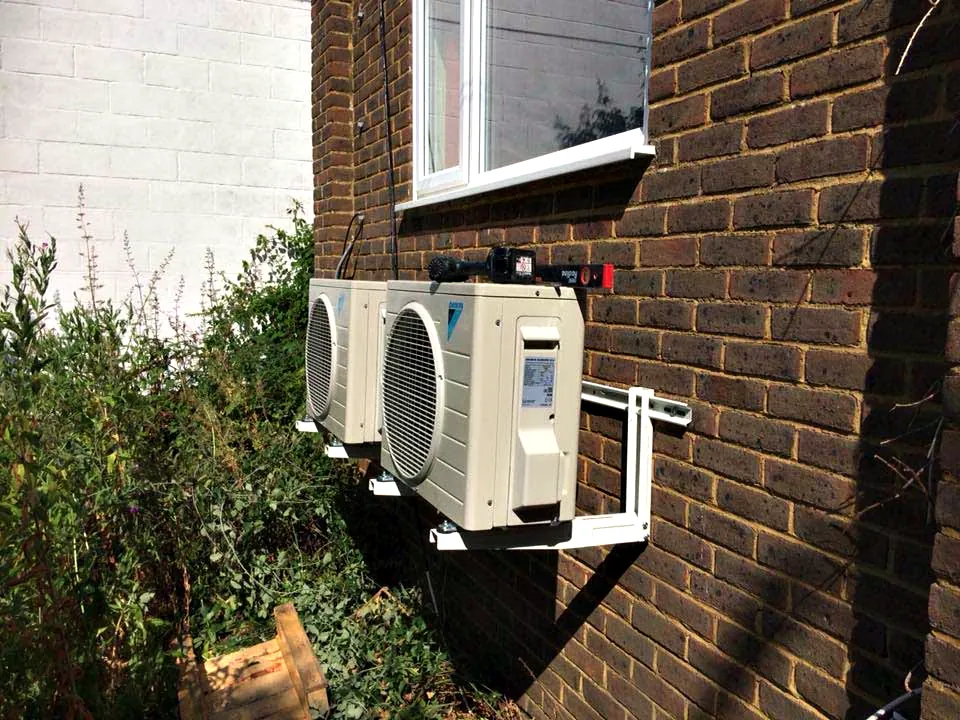
The building that followed the railway in the 1840s is typified by Victorian terraces, semi detached houses and larger detached villas around the station and the village centre. Their solid brick walls take a wall bracket well, and most have a rear garden or side passage where the outdoor unit can stand. We size every room at the survey instead of relying on a rule of thumb, because ceiling heights and window sizes vary from one house to the next.
The Village Character Areas
The neighbourhood plan's character appraisal covers 14 areas across the major part of the village, including Stonepound, South Bank, London Road, Priory, Adastra, Keymer and the Village Centre. Local soft red brick with plain soft brown clay roofs and red wall tiles holds them together, along with small scale housing, generous front gardens and wide grass verges. Tile hung upper walls are a poor place for brackets, so we usually fix to the brickwork below or put a ground mounted unit at the rear, and the generous gardens leave room to keep it away from a neighbour's windows.
Clayton Mills and London Road
Newer housing has extended the edge of Hassocks and Keymer north of the built up area at Clayton Mills and to the west along London Road, and the District Plan allocates land north of Clayton Mills for around 500 homes and a primary school. A house built to current standards often needs a smaller unit for the same room, which the survey confirms. Before choosing a position, look through the deeds and any estate rules for restrictions on outdoor equipment at the front.
Which Planning Authority?
Hassocks sits at the foot of the Downs, and the authority that decides planning can change from one village to the next. Choose a place to see who it usually is, and why.
What We Install in Hassocks Homes
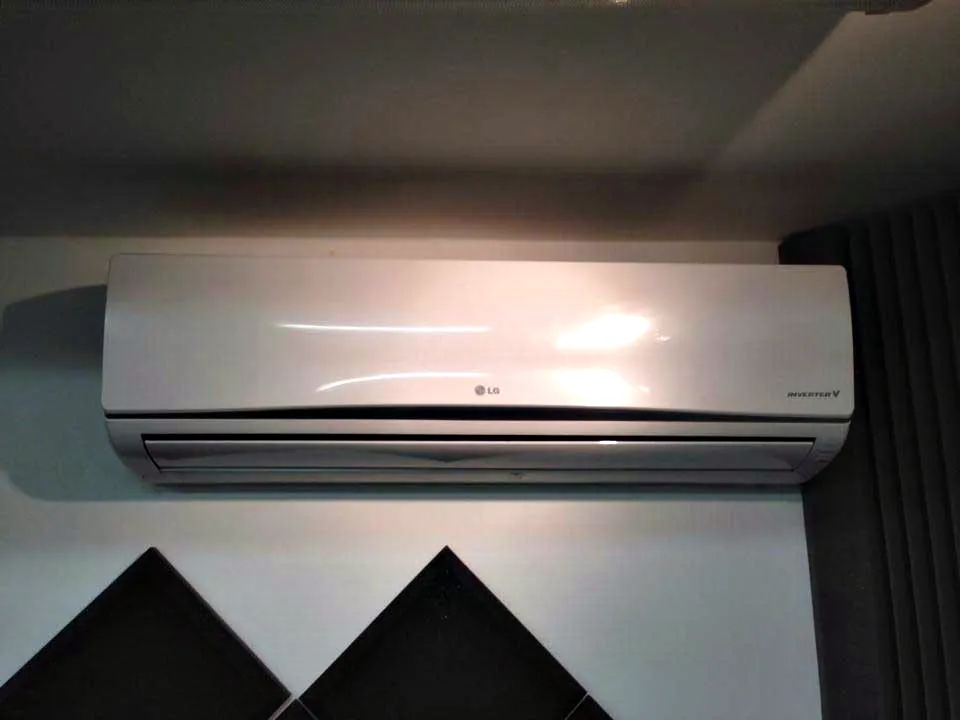
A single wall mounted unit is the most common choice here, for a bedroom that catches the afternoon sun, a living room or a home office. For a home with several rooms to cool, one outdoor unit can feed them all through a multi split system, which suits a conservation area house with only one discreet place to put it. In a Victorian villa with a loft or ceiling void, a ducted system can be hidden away, leaving only grilles in the rooms. All of these systems heat as well as cool, so they keep earning their place through the winter.
Every split system installation we carry out in the village starts with a survey and a size worked out for the room, then moves on to brazing and pressure testing the pipework, pulling a vacuum, commissioning the system and registering its manufacturer warranty. Equipment comes from Mitsubishi Heavy Industries, Mitsubishi Electric, Daikin, Fujitsu, GENERAL, Samsung or LG, and our Mitsubishi Heavy Industries 3 Diamond Dealer badge is the top tier that maker awards its dealers.
Two local details can change where a unit goes. The Herring Stream runs through the built up area and parts of its edges are identified as at risk of flooding, so for a garden beside it we would suggest a wall bracket or a raised stand rather than a unit set on the ground. There is also an Air Quality Management Area at Stonepound Crossroads, and near that junction it is worth keeping to a regular service, with the coils and filters cleaned each time.
Planning, Conservation Areas and the South Downs National Park
The parish has two conservation areas. One covers the historic core of Keymer around Keymer Road, The Crescent and Lodge Lane; Mid Sussex District Council designated it as the Keymer and Hassocks Conservation Area in January 1989, and the council's description places seven listed buildings at its heart, the only ones within the built up area of Keymer and Hassocks. The other covers the historic core of Clayton around Underhill Lane, and because Clayton lies inside the South Downs National Park, the National Park Authority publishes its map and appraisal.
The parish's most important listed buildings include St John the Baptist Church at Clayton, from the 11th century and containing important frescoes, which is listed Grade I, while Ockley Manor, Clayton Windmills with the attached Millhouse, and Clayton Priory are Grade II*. The Mid Sussex District Plan does not apply to the part of the district inside the National Park, so for a home in Clayton the planning questions go to the National Park Authority rather than the district council.
On a listed building, or anywhere in either conservation area, an outdoor unit may need consent, particularly on a wall that faces the street. We plan a rear or garden position wherever one works, keep the pipework out of sight, and check with the right authority before we drill. Neighbouring villages need the same care: Ditchling, Westmeston and Wivelsfield are in Lewes District, so where a property there lies outside the National Park, Lewes District Council is the planning authority.
Shops, Workshops and Public Buildings
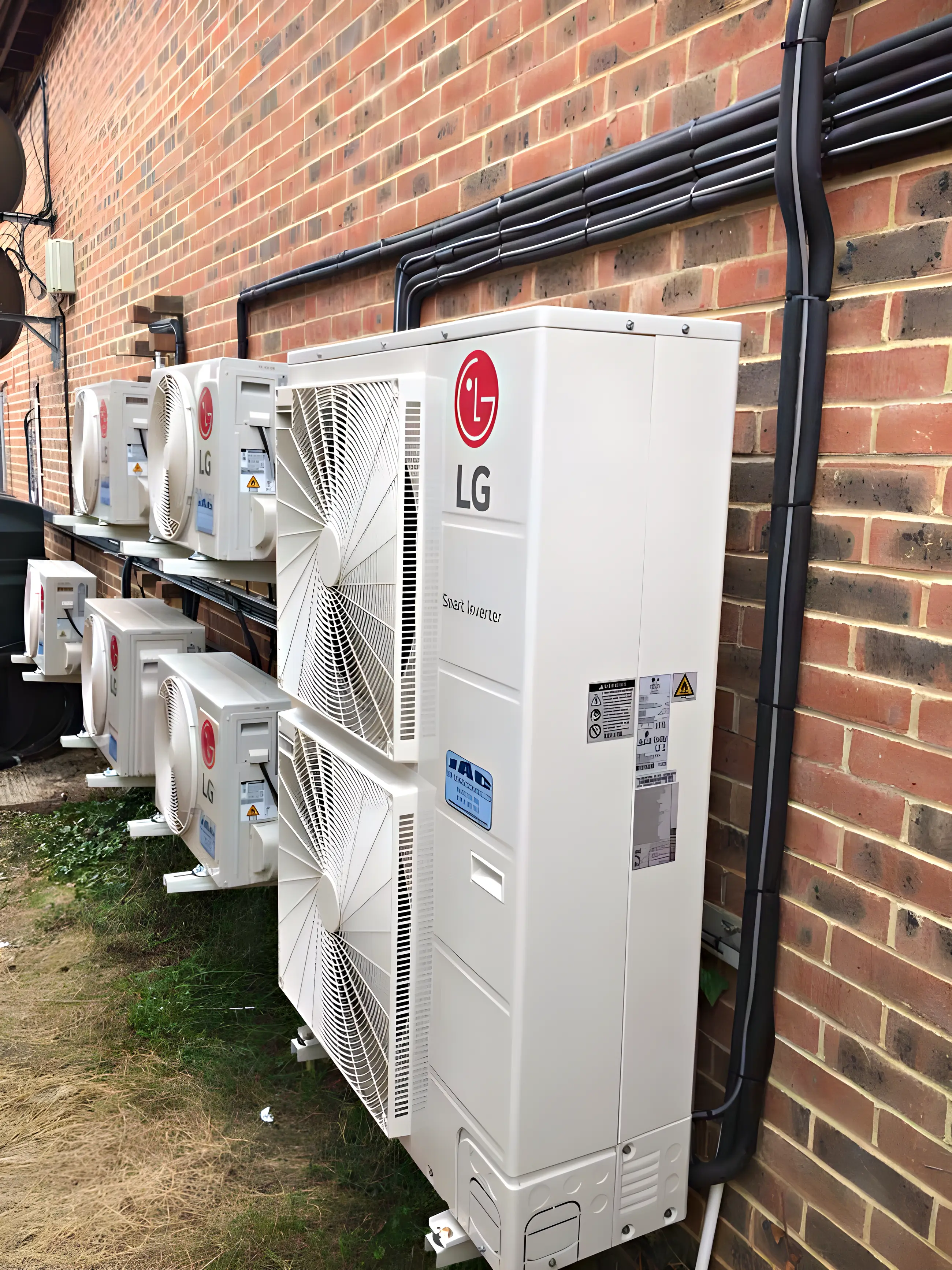
Shops and high street uses such as cafes and financial services cluster along Keymer Road east of the railway, many of them independent retailers, and the garden centre on Brighton Road south of Stonepound Crossroads is the main exception. The District Plan's retail evidence identifies Hassocks and Hurstpierpoint as village centres that are performing relatively well in their role. For a shop or cafe we usually suggest a wall mounted unit or a ceiling cassette, fitted around opening hours so trading carries on.
Commercial premises gather at Hassocks Goods Yard, south of Keymer Road and west of the railway, and at Broadhill Craft Workshops north of the village, though there is no major industrial estate in the parish. For workshops, small offices and comms cupboards we design and install systems sized to the heat each space produces, and look after them once they are running.
The parish is also home to Hassocks Infants, The Windmills Junior and Downlands Community School, a health centre in Windmill Avenue run as one of a group of three with Hurstpierpoint and Ditchling, and Hassocks Public Library on Keymer Road. For buildings of that kind a planned maintenance contract puts every system on a fixed service calendar, takes care of any legally required F-Gas leak checks and holds the paperwork on your behalf. Work on refrigerant circuits is restricted by law to certified companies, and JAC's REFCOM certificate covers systems both under and over 3 kg.
From Our Horsham Office to Hassocks
Our Horsham office lies to the north west of Hassocks, so surveys and repair calls across BN6 are easy to fit into the week. Jay and Oscar quote and do the work themselves while Nicola keeps the diary in the office, which means the engineer who surveys your home is the one who installs the system.
Annual servicing means cleaning the filters and coils, clearing the condensate drain, checking fans, electrics and controls and reading the refrigerant pressures, with a written record at the end of each visit to support the manufacturer warranty. We repair any major brand as well, including systems first fitted by another company, and agree the price with you before any work starts.
Burgess Hill lies to the north beyond the gap, and our page on air conditioning in Burgess Hill covers the homes of that town.
Villages Around Hassocks
Several neighbouring villages sit inside the South Downs National Park and a few lie in Lewes District, so we confirm the planning authority for each address.
- KeymerBN6
The historic core is a conservation area, with evidence of settlement back to Roman times and the 15th century Old Manor House on Keymer Road.
- ClaytonBN6
A hamlet inside the National Park, home to the Grade I St John the Baptist Church and the Jack and Jill windmills.
- DitchlingBN6
A Lewes district village inside the South Downs National Park, whose Ditchling and Ditchling The Cottage Homes conservation areas are mapped by the National Park Authority.
- HurstpierpointBN6
The High Street is a conservation area along its whole length, mixing buildings of many ages with twittens, side alleys and panoramic views of the Downs.
- Hurst WickhamBN6
The southern half is a conservation area, enclosed by the narrow College Road and its brick retaining walls.
- Sayers CommonBN6
A medium sized village in the District Plan's third tier, with essential services for its own residents.
- AlbourneBN6
Part of the village is a conservation area, with listed buildings gathered at the southern end of The Street, among them Gallops, a timber framed house of 1661 or earlier.
- PyecombeBN45
Lies inside the South Downs National Park and has two conservation areas, Pyecombe and Pyecombe Street.
- PoyningsBN45
A village inside the National Park whose conservation area is mapped by the National Park Authority.
- FulkingBN5
Mid Sussex designated it a conservation area in 1984, and it now lies within the South Downs National Park.
- WestmestonBN6
A village in Lewes district, inside the National Park, with a conservation area mapped by the National Park Authority.
- Wivelsfield GreenRH17
The village where the Wivelsfield neighbourhood plan focuses its new homes, with Lewes District Council as the local planning authority.
Our Services in Hassocks
The same engineers on every job, from a single bedroom unit to a plant room.
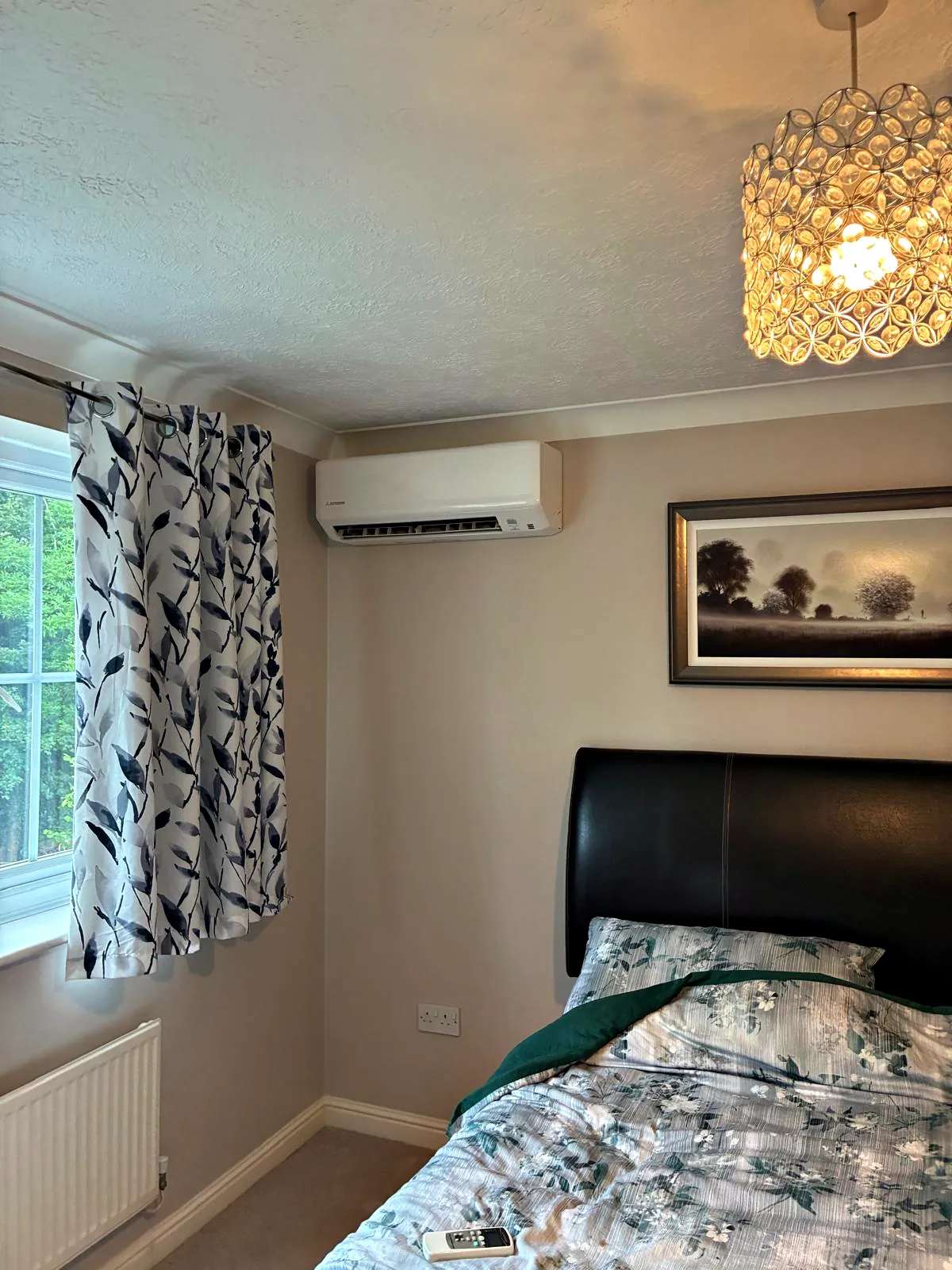
Domestic Air Conditioning Installation
Single split, multi split and ducted systems for houses, bungalows, park homes and garden rooms.
Explore →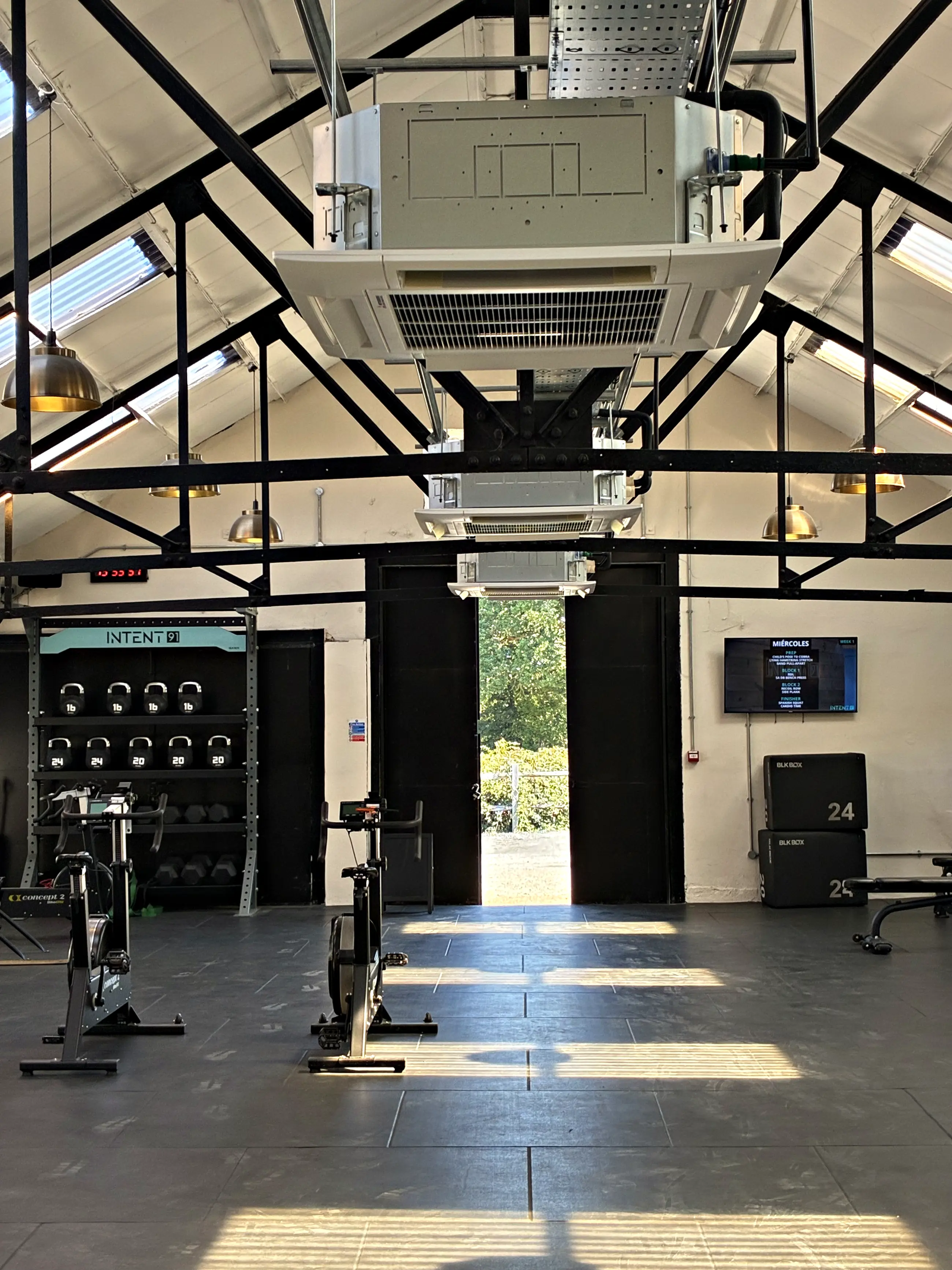
Commercial Air Conditioning
Design, installation and planned maintenance for offices, shops, bars, hospitality and industrial units.
Explore →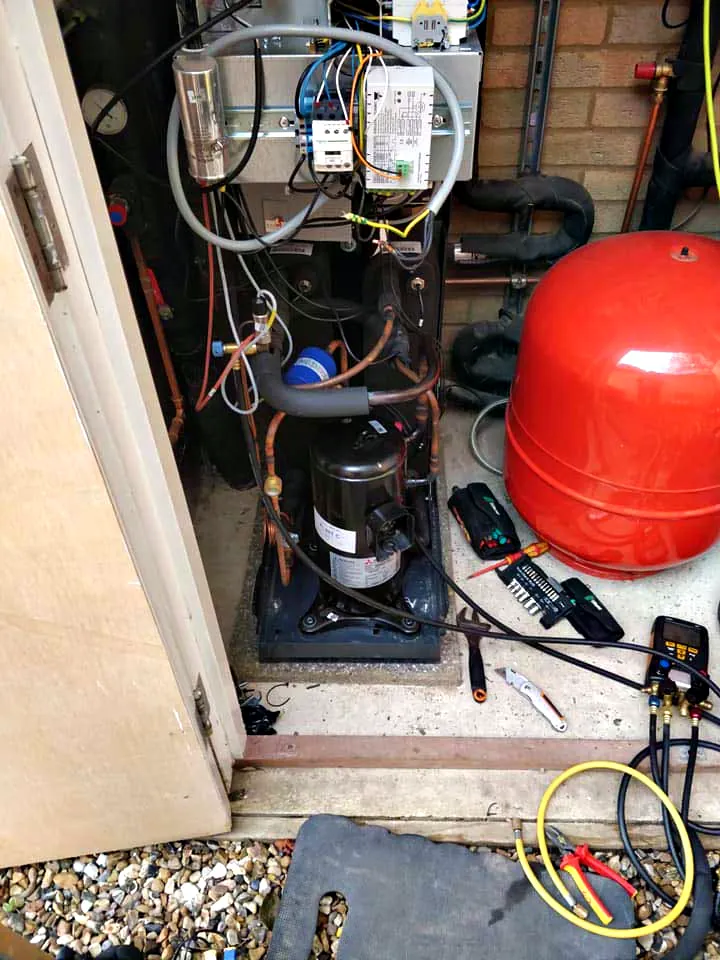
Air Conditioning Repairs
Fast diagnosis and repair on any major brand, priced before we start, genuine parts fitted.
Explore →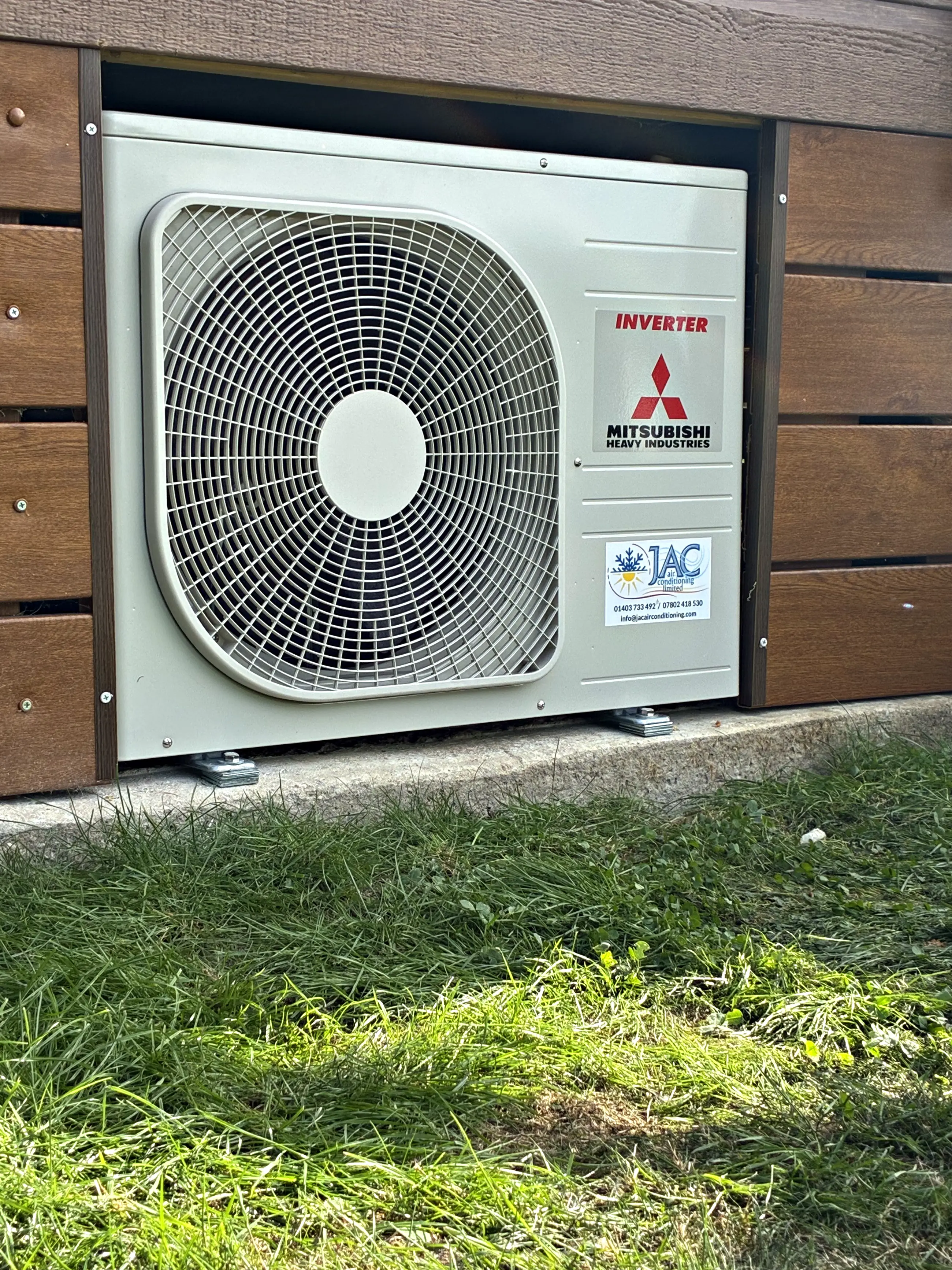
Air Conditioning Servicing
Filters, coils, drains, electrics and refrigerant, with a written record every visit.
Explore →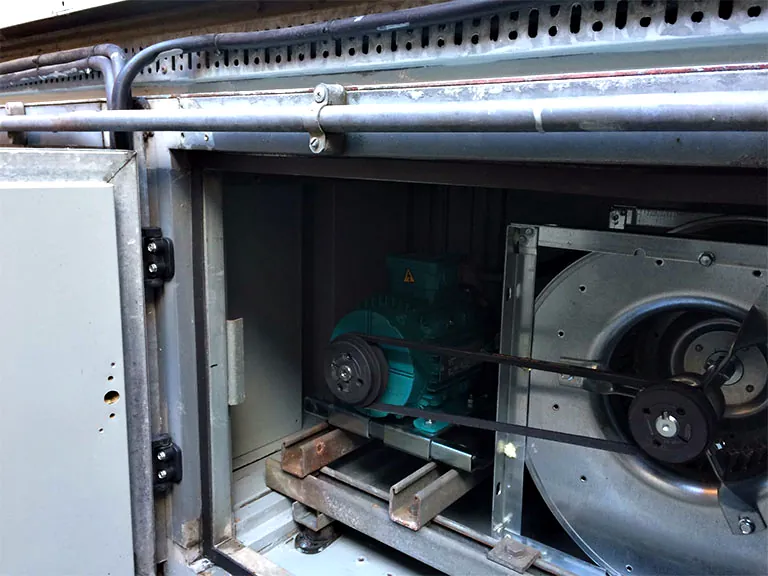
Planned Maintenance
PPM contracts for commercial sites, scheduled around your trading hours rather than ours.
Explore →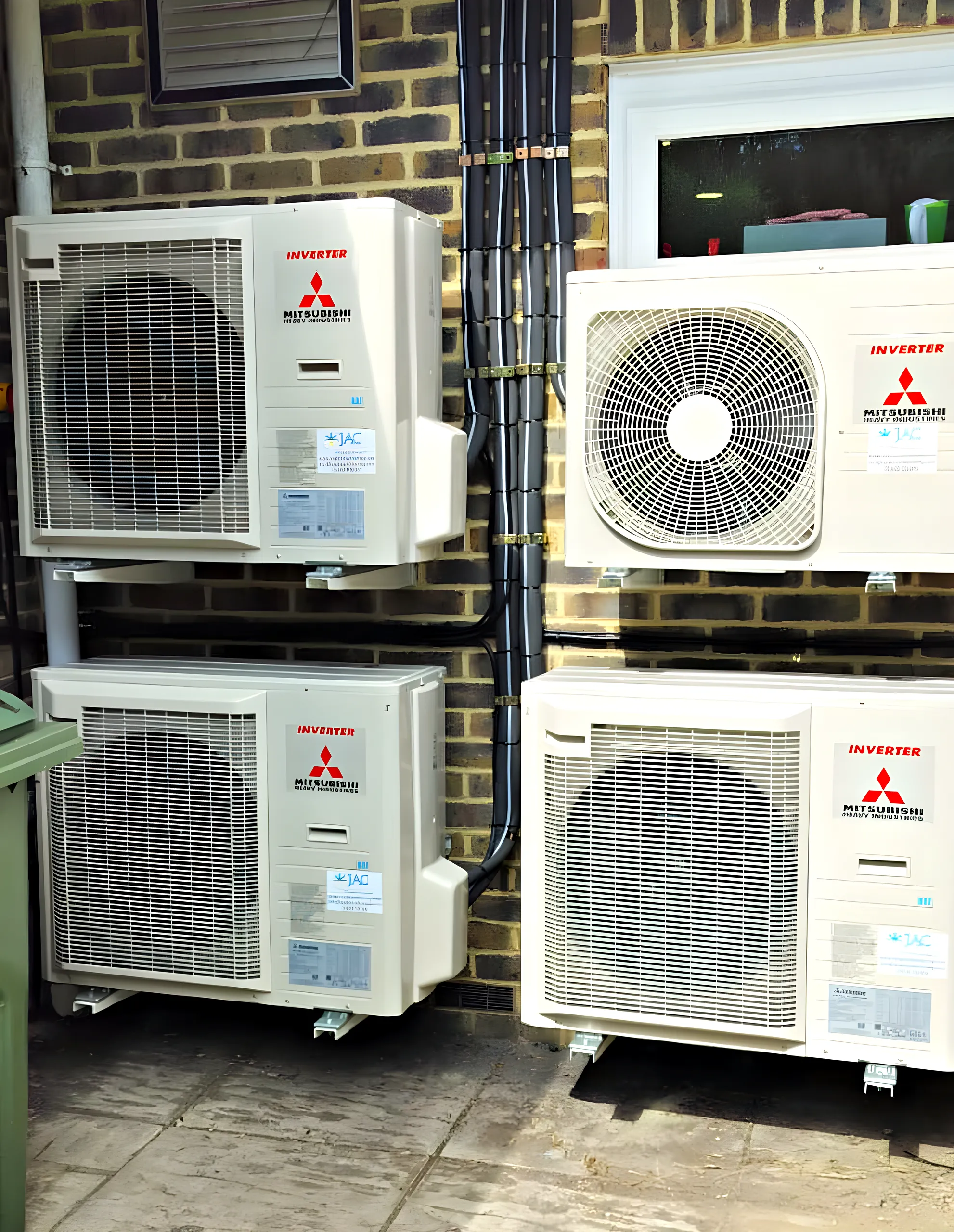
Specification Sheets
Download the data sheets for the Mitsubishi Heavy Industries and GENERAL systems we install.
Explore →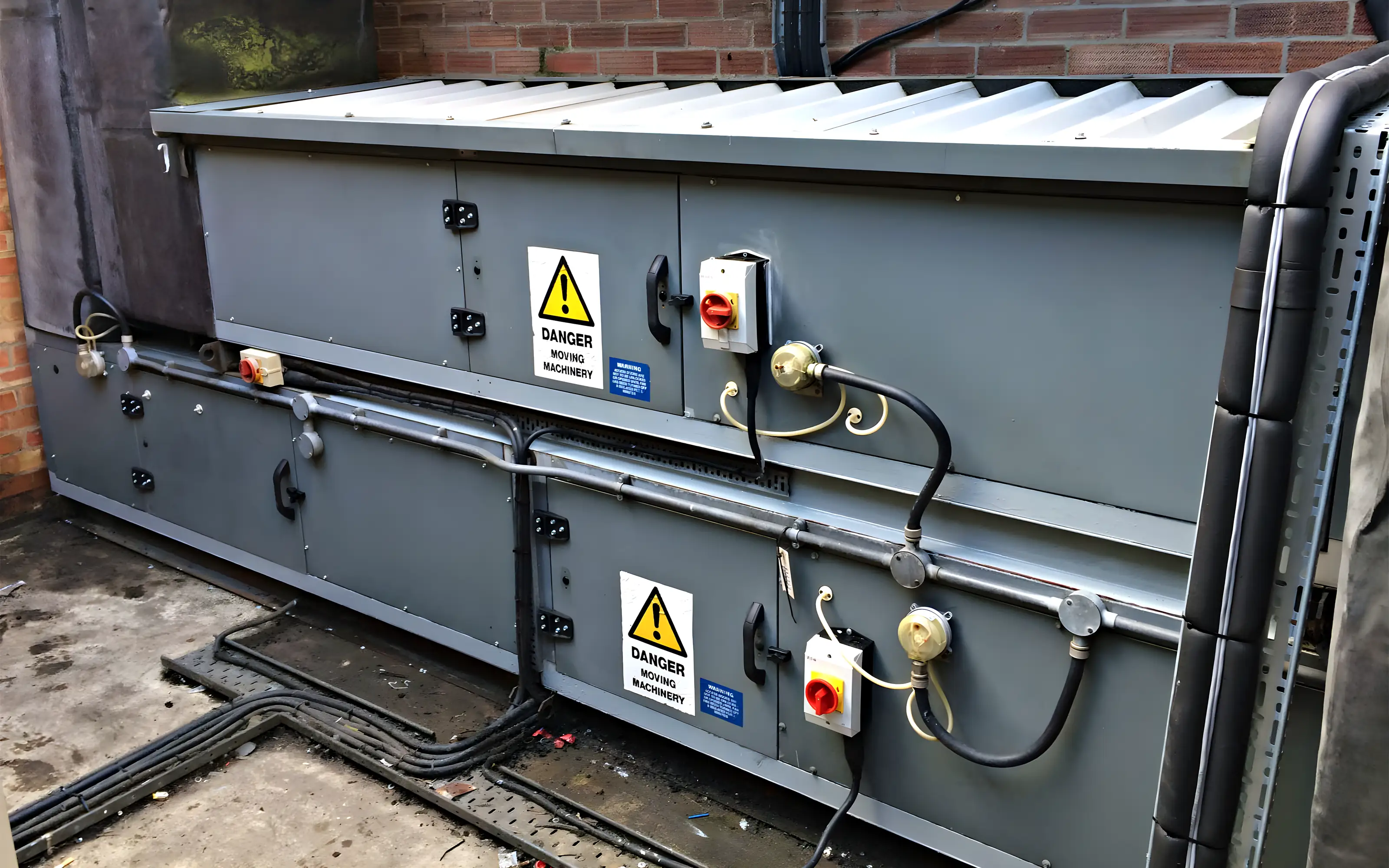
Air Handling
AHUs installed, maintained, repaired and refurbished. Filters, coils, fans, motors and dampers.
Explore →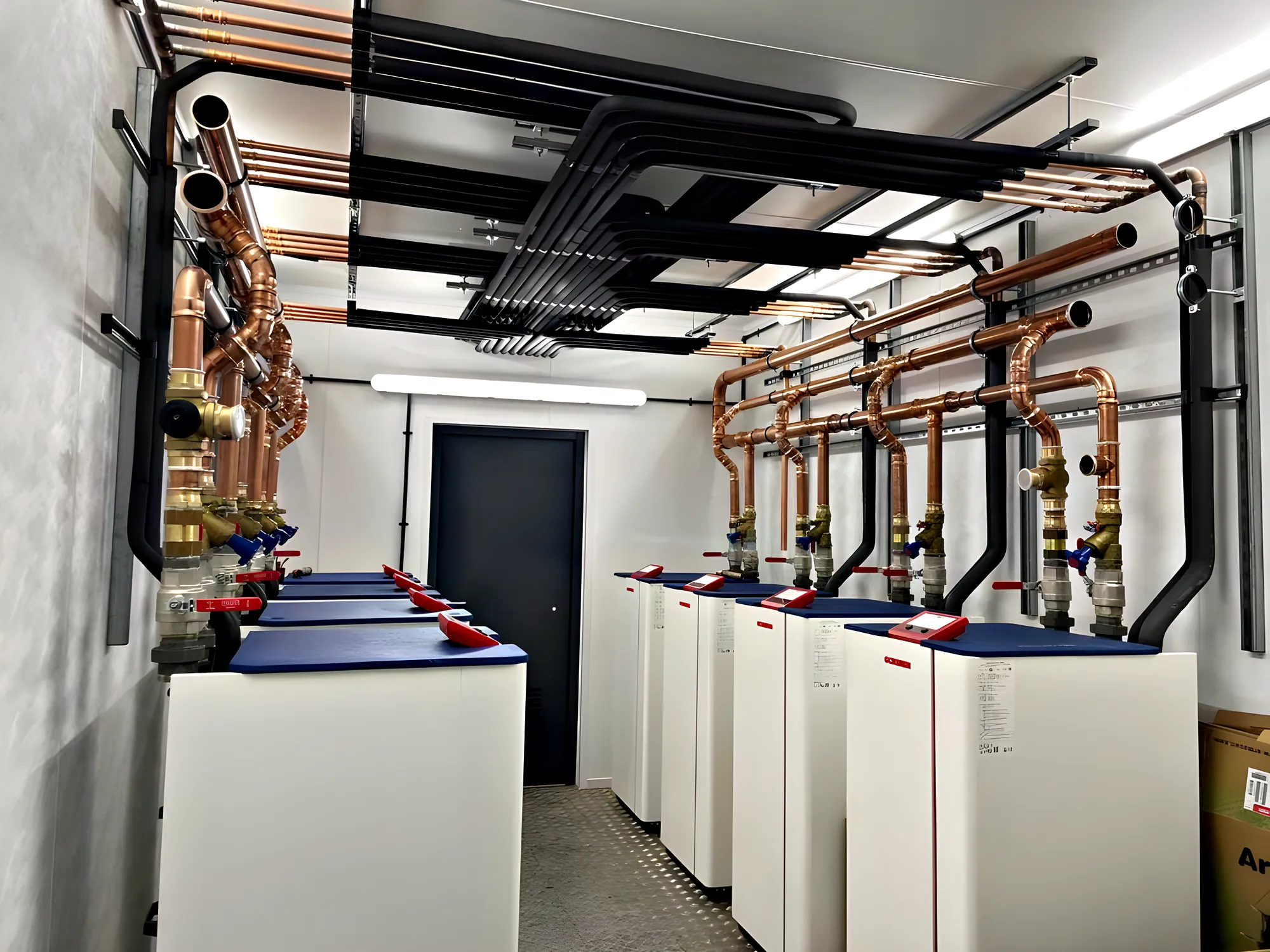
Mechanical Assembly
Pipework, manifolds, valves and plant room assembly, brazed, pressure tested and insulated.
Explore →Your Hassocks Questions, Answered
Who handles planning for air conditioning in Hassocks, Mid Sussex or the National Park?
For most homes it is Mid Sussex District Council, because the main built up area of Hassocks and Keymer lies outside the South Downs National Park. The southern part of the parish, including Clayton, is inside the Park, where the National Park Authority is the planning authority. An outdoor unit may need consent in either case if the building is listed or in a conservation area, so we check the address first.
I live in the Keymer conservation area. Can I have an outdoor unit?
It may well be possible, especially if the unit can sit out of view. The Keymer and Hassocks Conservation Area covers the old core around Keymer Road, The Crescent and Lodge Lane, and the council describes seven listed buildings at its heart. An outdoor unit on a wall that faces the street may need consent, so we look for a rear or garden position, run the pipework discreetly and check with Mid Sussex District Council before we drill.
What is different about fitting air conditioning in Clayton?
Because Clayton is inside the National Park, its planning applications go to the Park Authority rather than to Mid Sussex. Its historic core around Underhill Lane is a conservation area, with flint, brick and hanging tiles along a narrow sunken lane and the Grade I St John the Baptist Church at its centre. We plan a position out of sight from the lane and confirm with the Authority before any work begins.
My house in Hassocks has tile hung upper walls. Where would the unit go?
Red wall tiles are part of the local character across much of the village, and a tile hung wall is a poor place to fix a bracket. We normally mount the outdoor unit on the brickwork below the tiles or stand it on the ground at the rear, and take the pipework through the brick. Generous gardens usually leave enough room to keep the unit away from a neighbour's windows.
Is there anything to check before fitting air conditioning in a new home at Clayton Mills?
Yes, two things. Read the deeds and any estate rules first, because they may restrict outdoor equipment on the front of the house. Then let us survey the rooms, since a home built to current standards often needs a smaller unit than an older house would for the same space. A unit sized to the room runs more quietly and eases off sooner once the room is comfortable.
Do you cover Ditchling, Westmeston and Wivelsfield across the Lewes District boundary?
Yes, they are all within easy reach, and the main difference is the planning picture. Ditchling and Westmeston villages are inside the South Downs National Park, while Wivelsfield is planned by Lewes District Council, as are the parts of Ditchling and Westmeston parishes that lie outside the Park. We confirm which authority covers your address before suggesting where the outdoor unit should go.
We Also Work Nearby
Arrange a Free Survey in Hassocks
To arrange a free survey in Hassocks, Keymer or Clayton, call 01403 733 492, email info@jacairconditioning.com or get in touch online, and you will receive a written quotation with the units named on it. If a system fails out of hours, ring the engineers on 07802 418530. Refrigerant work in Hassocks is covered by JAC's REFCOM F-Gas company certificate, REF1019419, in date until 25 May 2028.