
Air Conditioning in Cranleigh and Its Villages
From cottages around the Common to the newest estates on the edge of the village, we fit and look after air conditioning across Cranleigh, choosing outdoor unit positions with the neighbours and the quiet rural nights in mind.
A Large Village With a Long History
By various accounts Cranleigh is one of the largest villages in England. It lies in the north west corner of the Weald, east of the A281 between Guildford and Horsham and in the rural eastern corner of Waverley borough, and a line of Norway maple trees borders the Common, which runs along most of the High Street into the heart of the village. The name was spelt Cranley until the mid 1860s, when it was changed to avoid confusion with Crawley.
The village's population has almost doubled since the 1960s, with large estates such as Park Mead, Hitherwood, Summerlands and Sherrydon, so its homes now span several centuries: listed cottages and shops in the historic core, Victorian and Edwardian cottages, postwar and 1970s estates, and new estates from the 2010s. Each age brings its own walls, plot sizes and distances to the neighbours, and those three things decide where an air conditioning system can go.
Quiet matters here too. Cranleigh is surrounded by the countryside of the Weald, and Waverley Borough Council notes that background noise at night in the more rural parts of the borough can be very low, so a unit that would go unnoticed in a busy town can be clearly heard in a quiet village. The Cranleigh Neighbourhood Plan also notes that there is not a significant night time economy in the village, and we choose the model and its position with all of this in mind from the first visit.
Cranleigh Homes From the Common to the New Estates
The Cranleigh Neighbourhood Plan describes the village's character areas by age, and each age suggests its own place for the outdoor unit and its own route for the pipes.
Around the Common and the High Street
Mostly two storey houses and shops on the High Street, Common Road, Horseshoe Lane, Guildford Road and Church Lane, many of them listed or Buildings of Local Merit, in reddish brown Wealden clay brick with tile hanging and plain clay tile roofs, often by the local tile maker Swallow. Most of this lies inside the Cranleigh Conservation Area, where an outdoor unit may require consent, so Waverley is consulted before we drill. Rear gardens and low rear walls are the places to look, well away from tile hung walls and the street front.
Cottages and Detached Houses
Artisan cottages of the 1880s off Elmbridge Road, the Swallow Tiles workers' cottages at Bookhurst Cottages and the detached houses in large gardens on Avenue Road and Grove Road all belong to this period. These houses usually have solid walls, so the core hole and fixings are planned for solid brick. On a row of cottages the unit goes where it is furthest from the windows next door, while a detached house in a large plot usually has room for a garden pad well away from any boundary.
Postwar Houses, Bungalows and Maisonettes
The Parsonage Road Estate, the semi detached houses on Ewhurst Road and the 1960s Park Mead estate brought detached and semi detached houses, bungalows, town houses and terraces, with grass verges or communal greens. A bungalow suits a single wall mounted indoor unit with a very short pipe run to a side or rear wall. Maisonettes such as those at Hailey Place, and homes around a communal green, may need the landlord's or management company's agreement first.
Cul de Sac Estates
Summerlands, Rydelands, Acres Platt, Copse Edge and Hitherwood date mainly from the 1970s, and Nightingales and Overford Drive from the 1980s, with mostly detached houses and bungalows on cul de sac layouts. Cavity walls are usual by this time, so we sleeve and seal the core hole through the cavity. Back gardens often meet closely on these plots, which makes the unit position and a quiet model especially important.
New Estates Around the Village
Sarus Place, the Swallowhurst Estate, Amlets Park and Longhurst Park added flats, terraces, detached houses and bungalows, and planning permission has since been granted for many more new homes, mostly on greenfield sites around the village. New homes are well insulated and airtight, so a smaller unit is often enough. Before any outdoor unit is fixed we check the property's planning conditions and any estate covenants or management rules.
Quiet at the Boundary
Cranleigh sits in the rural eastern corner of Waverley, where nights can be very quiet and an outdoor unit can matter to the house next door. Move the neighbour’s window nearer or further and see the level the example gives there.
Drag the neighbour’s house, or use the slider.
At the Neighbour’s Window
The blue mark is 25 dB(A)
41 dB(A)
About 16 dB above 25 dB(A), a level Waverley notes night time background noise can fall to in the quieter, rural parts of the borough.
At or below 25 dB(A), a level Waverley notes night time background noise can fall to in the quieter, rural parts of the borough.
Example sound power 60 dB(A), less 20 times the log of 5 m (14.0), less 8, plus 0 on open groundplus 3 against a wallplus 6 in a cornerplus 0 on a flat roof, gives 41 dB(A). A guide only: the survey decides.
Level at the neighbour’s window 41 dB(A), with the window 5 m from the unit.
1 m20 m
Where the Unit Stands
Standing on open ground away from walls, the sound spreads over the ground in every direction.
Against a wall the sound that would have gone backwards is reflected forwards, adding about 3 dB.
In a corner two walls reflect it, adding about 6 dB. Tucked out of sight is often the loudest spot.
On a flat roof the unit stands on a hard surface much as it does on the ground, so the guide treats it the same, though a roof can bring it level with upstairs windows.
An Illustration, Not a Prediction
The example uses a sound power of 60 dB(A), the kind of figure a manufacturer prints for a small outdoor unit, and the standard relationship for sound spreading over hard ground in the open: the level at the window is the sound power, less 20 times the logarithm of the distance in metres, less 8, plus about 3 dB against a wall or 6 dB in a corner. Real units differ, the figure changes with the setting the unit runs at, and fences, sheds and planting change what reaches the window.
Where it matters, Waverley Borough Council may ask for a noise assessment, and the survey picks the unit and the spot with that in mind. Treat every figure here as a guide: the survey decides.
Distance Does the Work
Waverley’s advice for outdoor plant is to put it away from neighbouring property, because noise reduces with distance. In the example, each doubling of the distance takes about 6 dB off the level at the window.
Quiet Nights
National planning guidance notes that people tend to be more sensitive to noise at night, and that the character of a sound matters as well as its level, such as a hum with a tone to it. The Cranleigh Neighbourhood Plan notes there is not a significant night time economy in the village.
When Waverley Asks
Waverley’s Local Plan says that where a noise assessment is required it should follow BS 4142, aiming for 5 dB below the background level. The council recommends one that looks at background noise, the character of the sound, its level on all settings, the distance to the nearest neighbour and any screening.
What We Fit in Cranleigh Homes
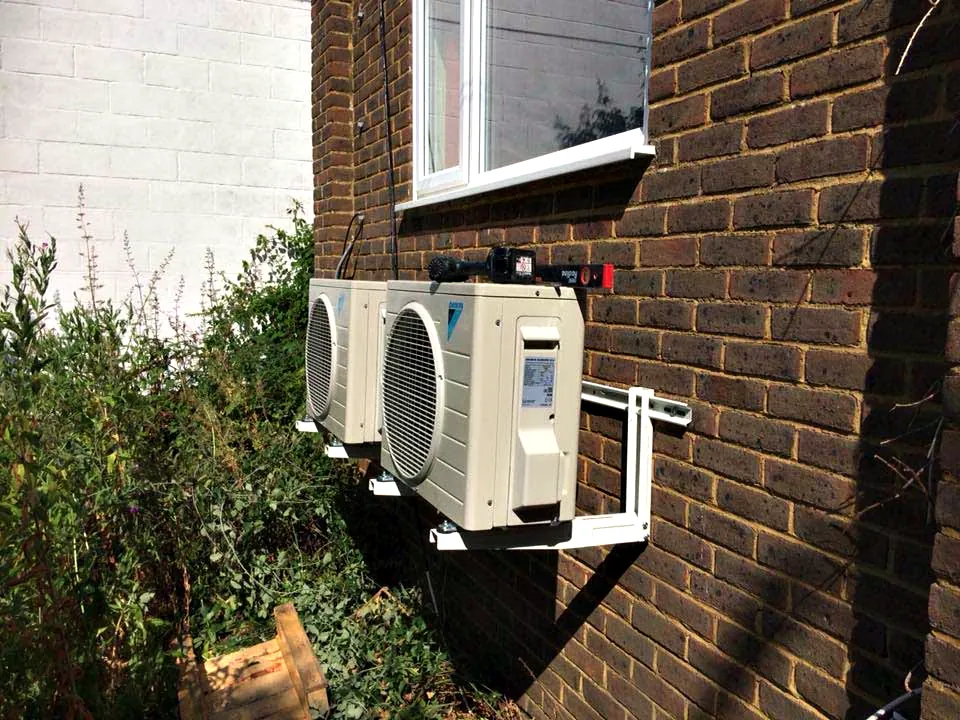
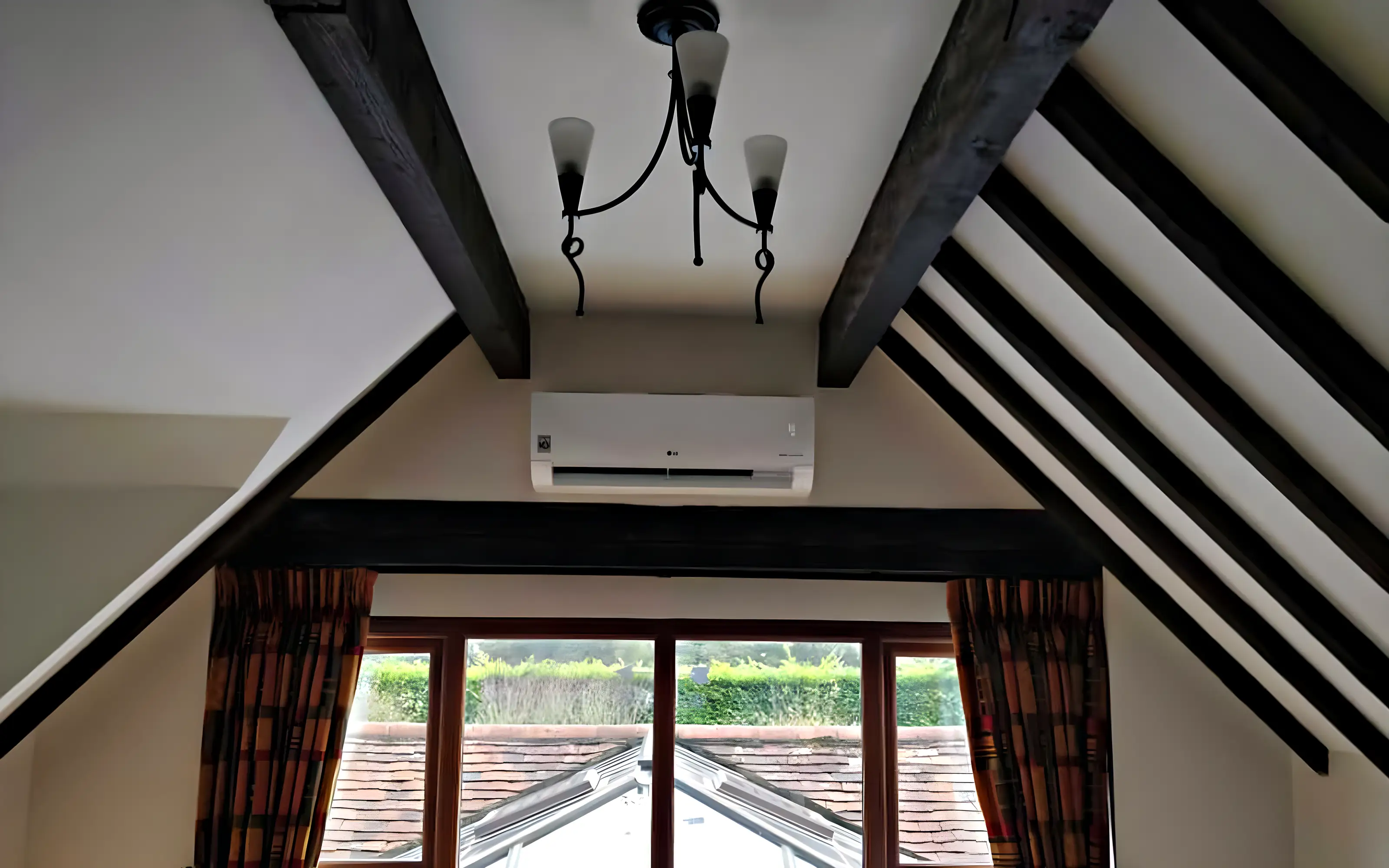
A single wall mounted split system is the usual starting point, whether it serves a bedroom under a clay tile roof or a home office in a newer house. For two or three rooms, one outdoor unit can serve several indoor units as a multi split, leaving the outside of the house uncluttered and only one position to agree. A garden room can take a small wall unit too, sized to its glazing and floor area so that it stays usable in summer and warm in winter.
Every installation follows the same order: a survey and sizing to the room, a written quotation that names the units, brazed and pressure tested pipework, a vacuum, commissioning and registration of the manufacturer warranty. For Cranleigh homes we supply Mitsubishi Heavy Industries, Mitsubishi Electric, Daikin, Fujitsu, GENERAL, Samsung and LG, and our status as an MHI 3 Diamond Dealer is the top dealer level Mitsubishi Heavy Industries awards.
Cranleigh Waters runs along the western edge of the village, northwards towards Wonersh and Bramley, and the Neighbourhood Plan records flooding on Elmbridge Road in December 2013. On low ground near the stream we look at a wall bracket or a raised stand for the outdoor unit rather than a pad at ground level, so that it sits clear of standing water.
Planning, Listed Buildings and Noise in Cranleigh
The High Street was designated as a conservation area in October 1973, and the area was extended in July 1985 and again in July 2016, the month Waverley adopted the Cranleigh Conservation Area Appraisal. The parish has 81 nationally listed buildings, 27 of them inside the conservation area, among them the Grade II* Church of St Nicolas, as well as 174 Buildings of Local Merit. With so many protected buildings in the village, consent may be needed before an outdoor unit goes up, and we always ask Waverley Borough Council before we drill.
Wider designations surround the village as well. The Surrey Hills National Landscape lies to the north and west, the village is further designated as an Area of Great Landscape Value, and land to the north is in the Green Belt. The Cranleigh Neighbourhood Plan 2021 to 2032 was made on 15 July 2024, after a referendum on 20 June 2024, and is used to help determine planning applications in Cranleigh.
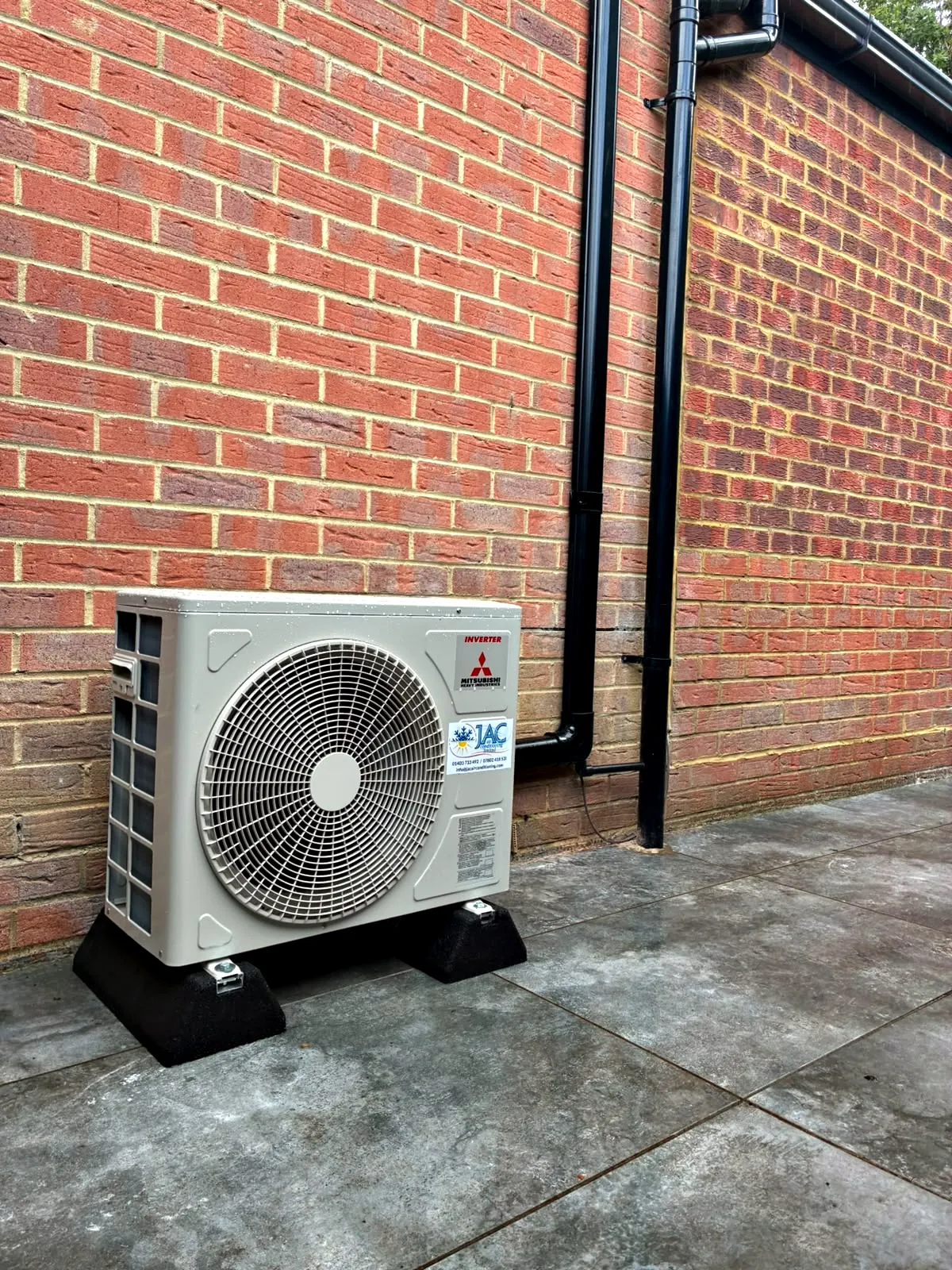
Noise is the other consideration. Waverley's Local Plan asks that new development avoids significant harm to the amenity of nearby homes, including through an unacceptable increase in noise, and because noise falls away with distance, the further a unit sits from the windows next door the better. A careful assessment before installation takes account of the background level, the character of the noise, its level on every setting, the distance to the nearest neighbour and any screening.
National planning guidance adds that people tend to be more sensitive to noise at night, and that the character of a noise, such as a tone, matters as well as its level. Waverley also points out that where noise amounts to a statutory nuisance, the council has a duty in law to take action to try to abate it, so we treat the position of the unit as part of the design from the start.
- Outdoor units set away from neighbouring windows and boundaries
- A quiet model chosen to suit the setting
- The house itself used as a screen where the plot allows
- Consent checked with Waverley before we drill
Commercial Air Conditioning in Cranleigh
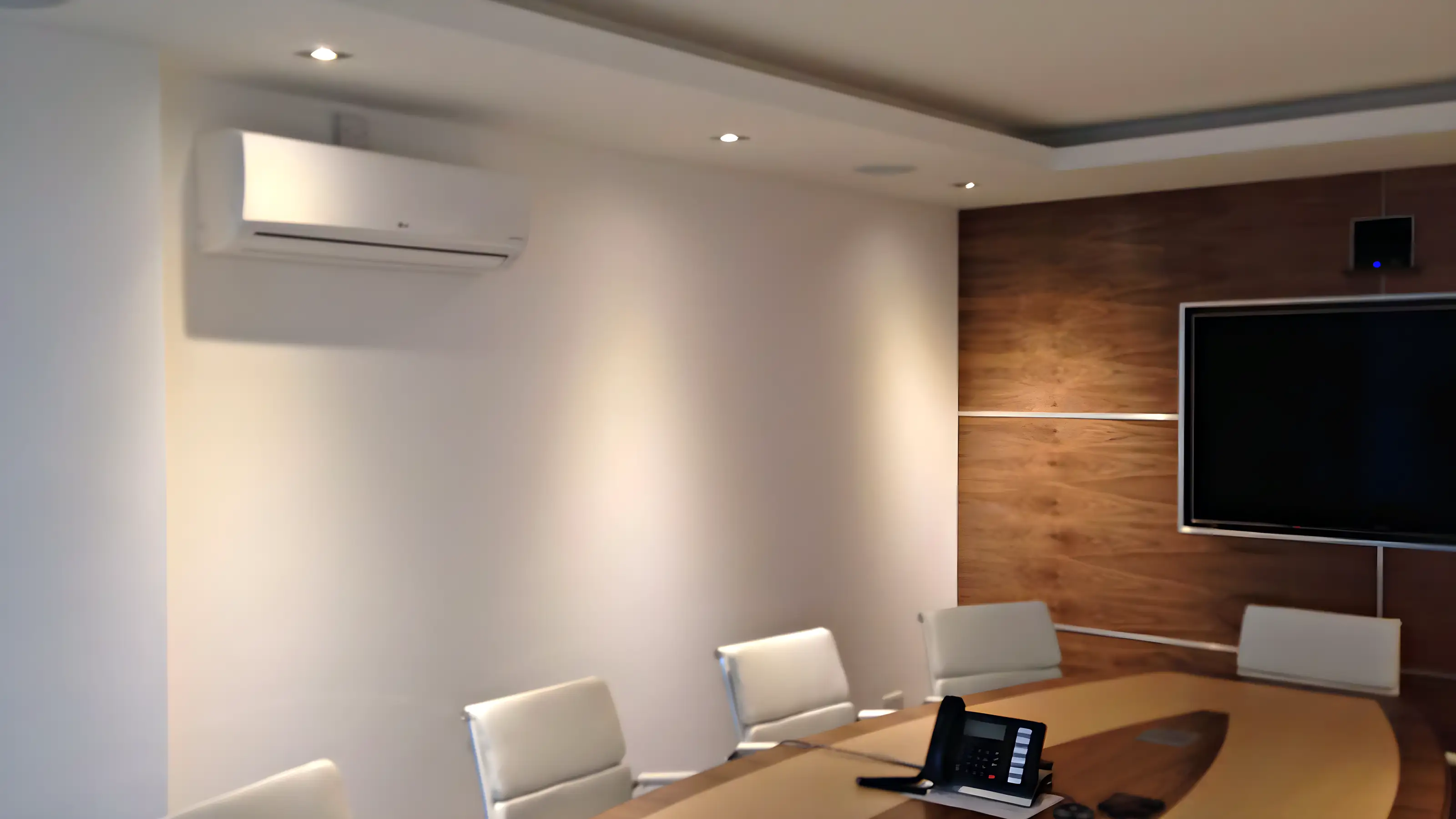
The High Street has a range of independent shops, including a butcher and a fishmonger, along with three supermarkets, an independent department store, estate agents, restaurants and pubs, and a weekly open air market is held in the Village Way car park every Thursday. Food shops want steady temperatures, restaurants and pubs want comfortable dining rooms, and offices want cooling that carries on quietly through the working day.
Away from the High Street, the industrial areas are Manfield Park, Littlemead Industrial Estate and the mixed industrial and office area around Astra House, with Dunsfold Park industrial estate nearby. Units like these can call for ceiling cassettes in the offices, ducted systems for open floors and dedicated cooling for a server room, and we design, install and maintain all three.
Larger sites in and around the village include Cranleigh School, an independent co educational boarding and day school for pupils aged 13 to 19, which opened in 1865 and remains on its original campus about a mile north of the village centre; Cranleigh Village Hospital, a Royal Surrey County Hospital hub offering outpatient services including x ray, diagnostic and imaging services; and Cranleigh Arts Centre at the eastern end of the High Street, which runs films, live music and exhibitions.
Where a site has several systems, a planned maintenance contract keeps the servicing and the F-Gas records in one place. Under the F-Gas rules, a system from 5 tonnes up to just under 50 tonnes CO2 equivalent is leak checked once a year, or once in 24 months when the system has automatic leak detection, and only a certified company, such as ours, is allowed to open the refrigerant circuit.
Reaching Cranleigh From Horsham
As the crow flies, our Horsham office is 8.7 miles south east of Cranleigh, across the county border, and the village lies east of the A281 that links Horsham with Guildford. Jay and Oscar handle the surveys, installations, servicing and repairs here, under our REFCOM F-Gas company certificate REF1019419, which runs to 25 May 2028, and Nicola in the office arranges the visits on 01403 733 492.
The village sits 10 km east of Godalming and 15 km south east of Guildford. If you also have a home or business in either town, our pages on air conditioning in Godalming and air conditioning in Guildford cover those towns in the same detail.
Once a system is in, a regular service keeps it running quietly and efficiently, which counts for more in a village, where a worn fan bearing is more likely to be noticed by the neighbours. Should the system fail to cool, drip from the indoor unit or flash a fault code, our air conditioning repairs team works on every major brand, agrees the price before starting and fits genuine parts.
Villages Around Cranleigh
Cranleigh is the service centre for a number of smaller villages, and our visits take in those on both sides of the border between Surrey and West Sussex.
- EwhurstGU6
A rural village and civil parish about 2 miles east of Cranleigh.
- Ewhurst GreenGU6
The continuation of Ewhurst just to the south of the main village.
- Ellen's GreenRH12
A small hamlet in Ewhurst parish close to the West Sussex border.
- RudgwickRH12
A village and civil parish in Horsham District on the north side of the A281, with its northern boundary forming part of the Surrey border.
- Bucks GreenRH12
A substantial hamlet in Rudgwick parish on the A281 Horsham to Guildford road, and home to Rudgwick Village Hall.
- AlfoldGU6
A dispersed village and civil parish in the Green Belt on the West Sussex border.
- Alfold CrosswaysGU6
The northern part of Alfold, around the crossroads of the A281 and Arundel Road.
- DunsfoldGU8
A village and civil parish in the Weald, 8.7 miles south of Guildford, whose parish includes Dunsfold Aerodrome.
- Shamley GreenGU5
One of the smaller villages that look to Cranleigh as their service centre.
- WonershGU5
A village and civil parish in Waverley, in the Surrey Hills, between three and six miles south south east of Guildford.
- BramleyGU5
A village and civil parish about three miles south of Guildford, most of it within the Surrey Hills National Landscape.
- RowlyGU6
A small rural settlement in the Green Belt just north of Cranleigh.
Our Services in Cranleigh
The same engineers on every job, from a single bedroom unit to a plant room.
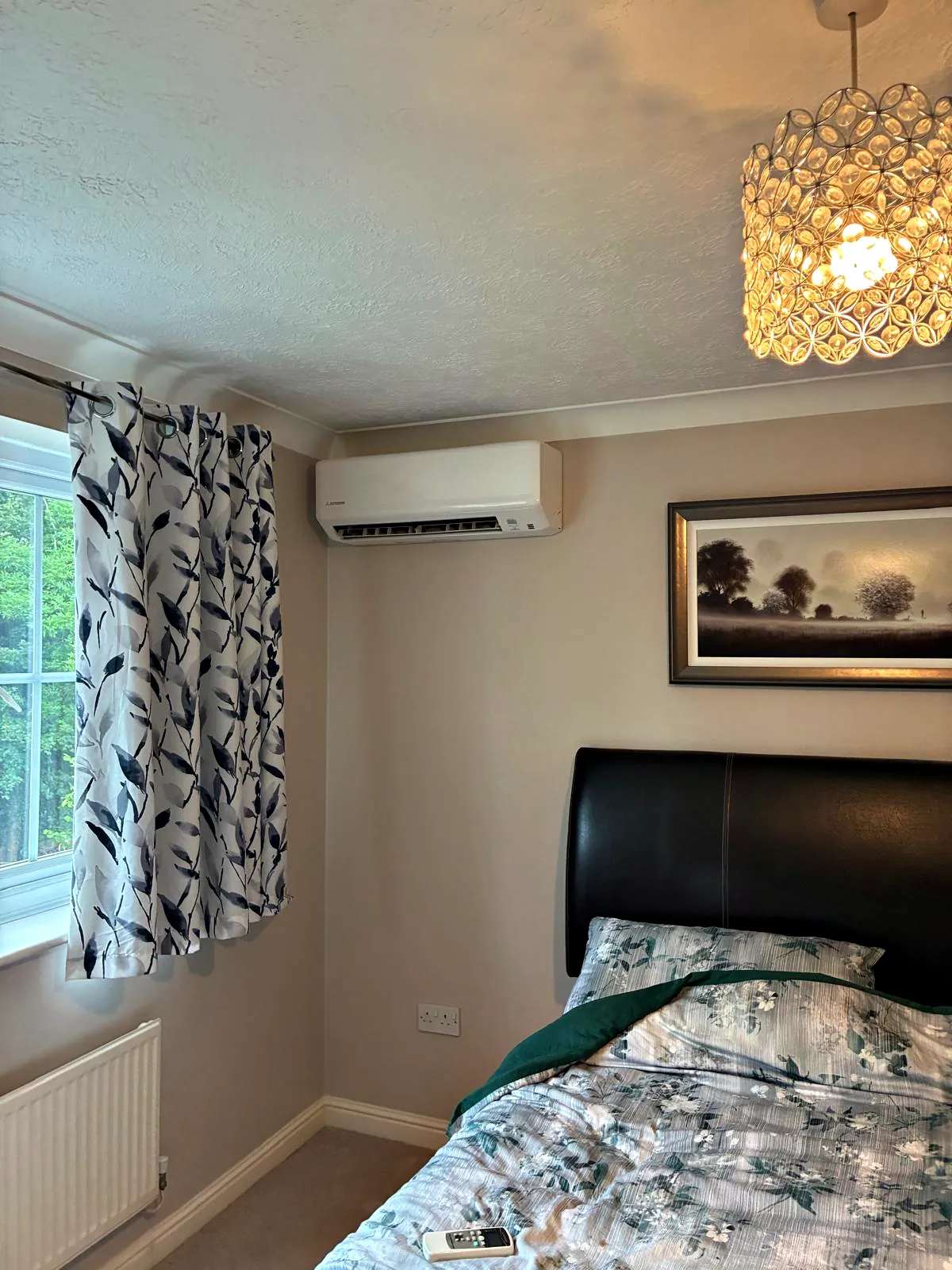
Domestic Air Conditioning Installation
Single split, multi split and ducted systems for houses, bungalows, park homes and garden rooms.
Explore →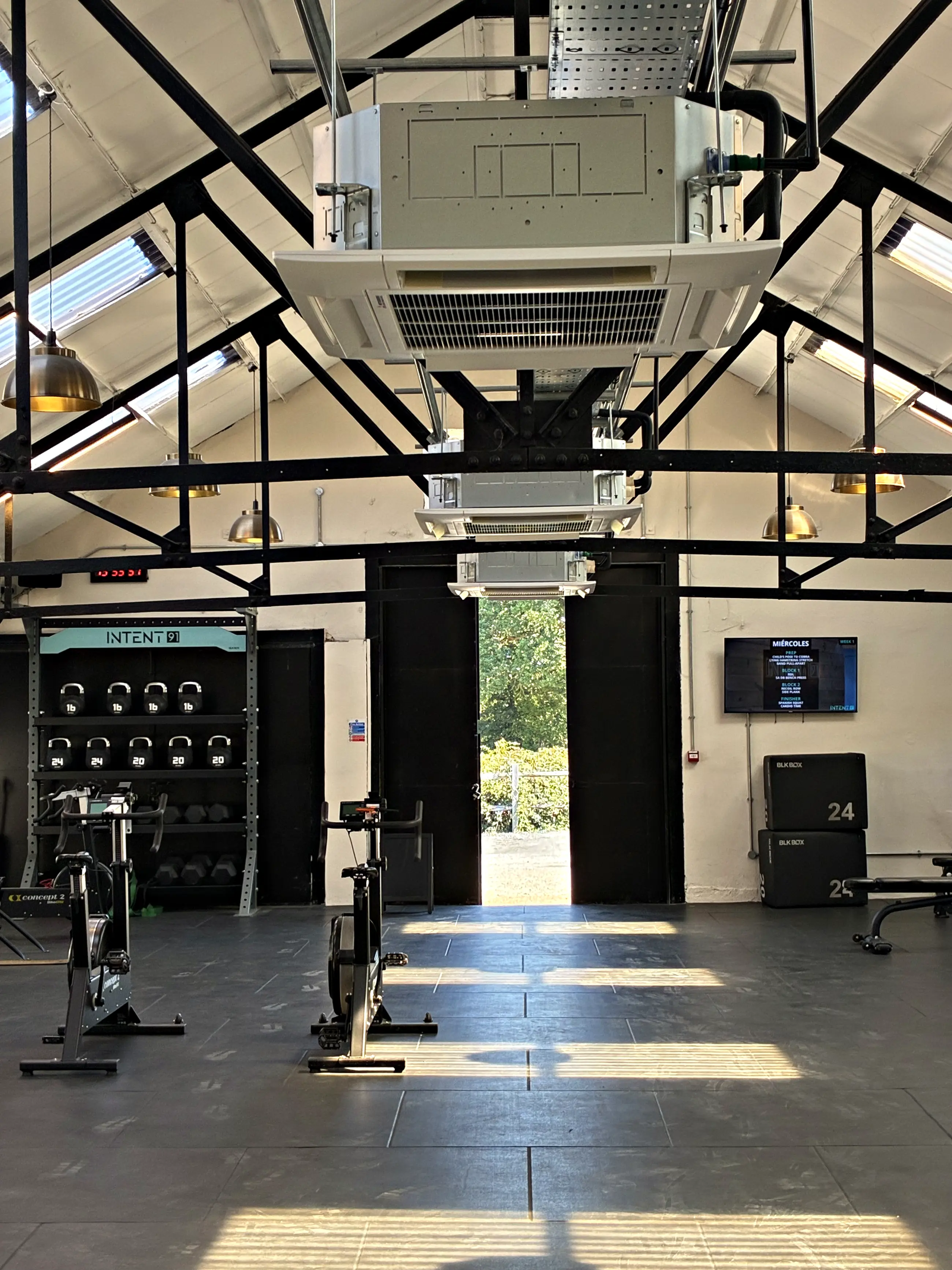
Commercial Air Conditioning
Design, installation and planned maintenance for offices, shops, bars, hospitality and industrial units.
Explore →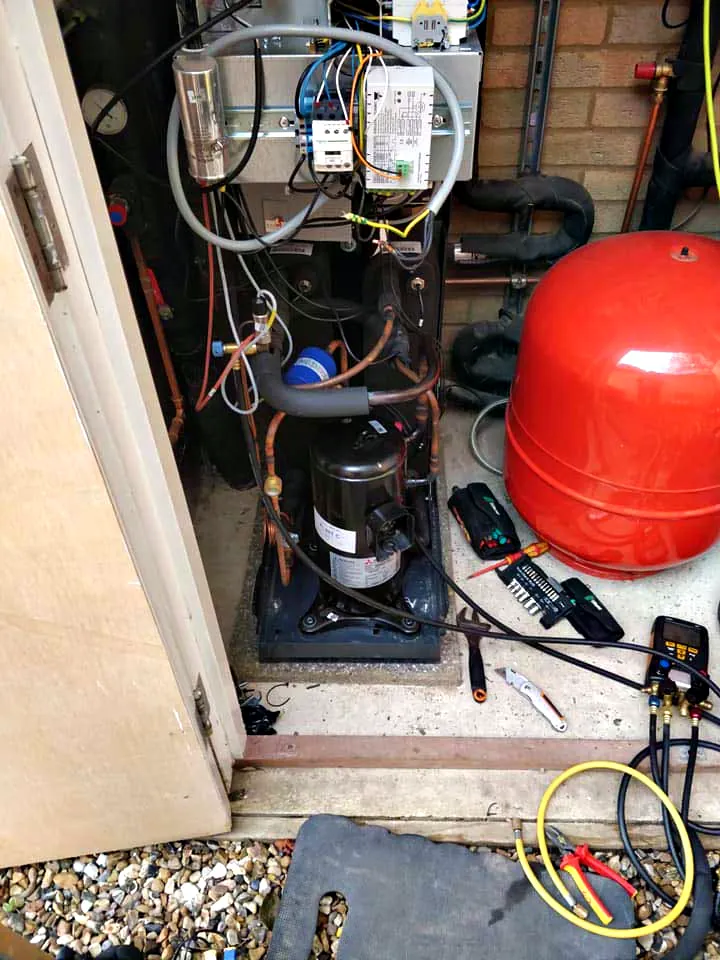
Air Conditioning Repairs
Fast diagnosis and repair on any major brand, priced before we start, genuine parts fitted.
Explore →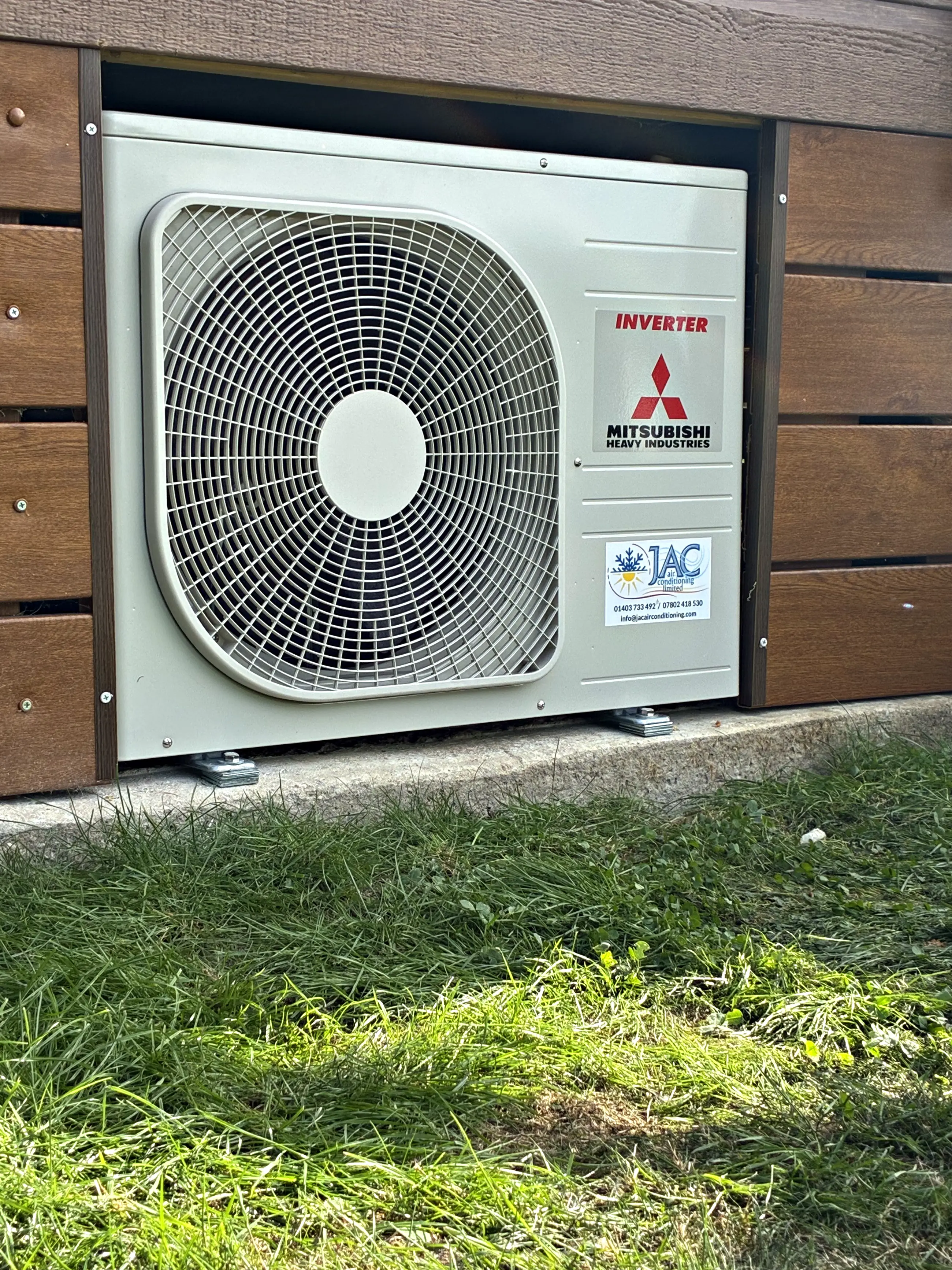
Air Conditioning Servicing
Filters, coils, drains, electrics and refrigerant, with a written record every visit.
Explore →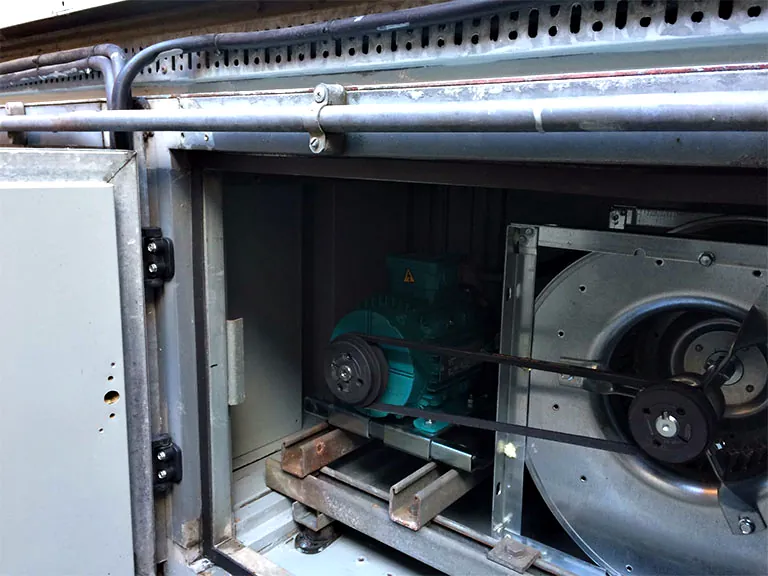
Planned Maintenance
PPM contracts for commercial sites, scheduled around your trading hours rather than ours.
Explore →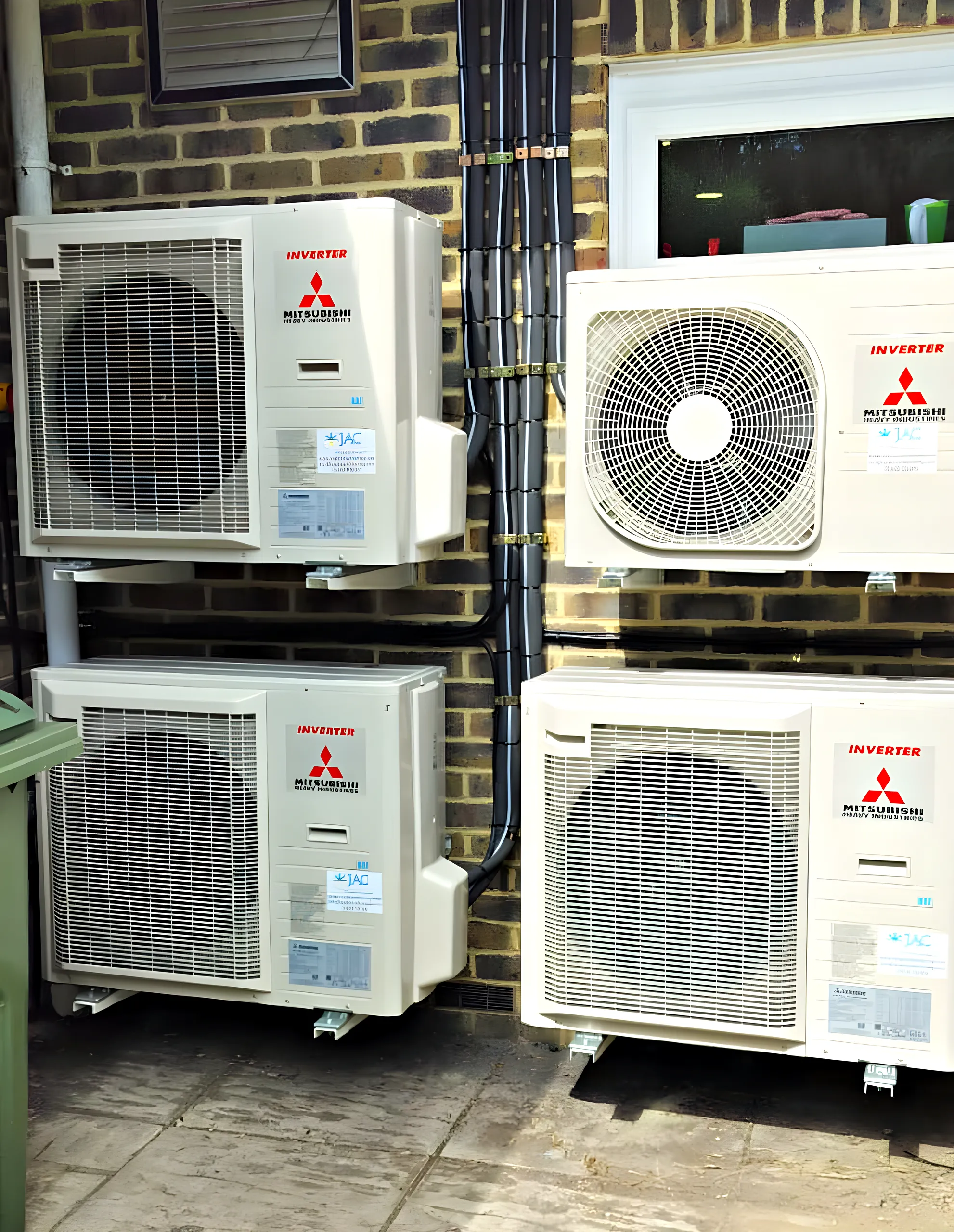
Specification Sheets
Download the data sheets for the Mitsubishi Heavy Industries and GENERAL systems we install.
Explore →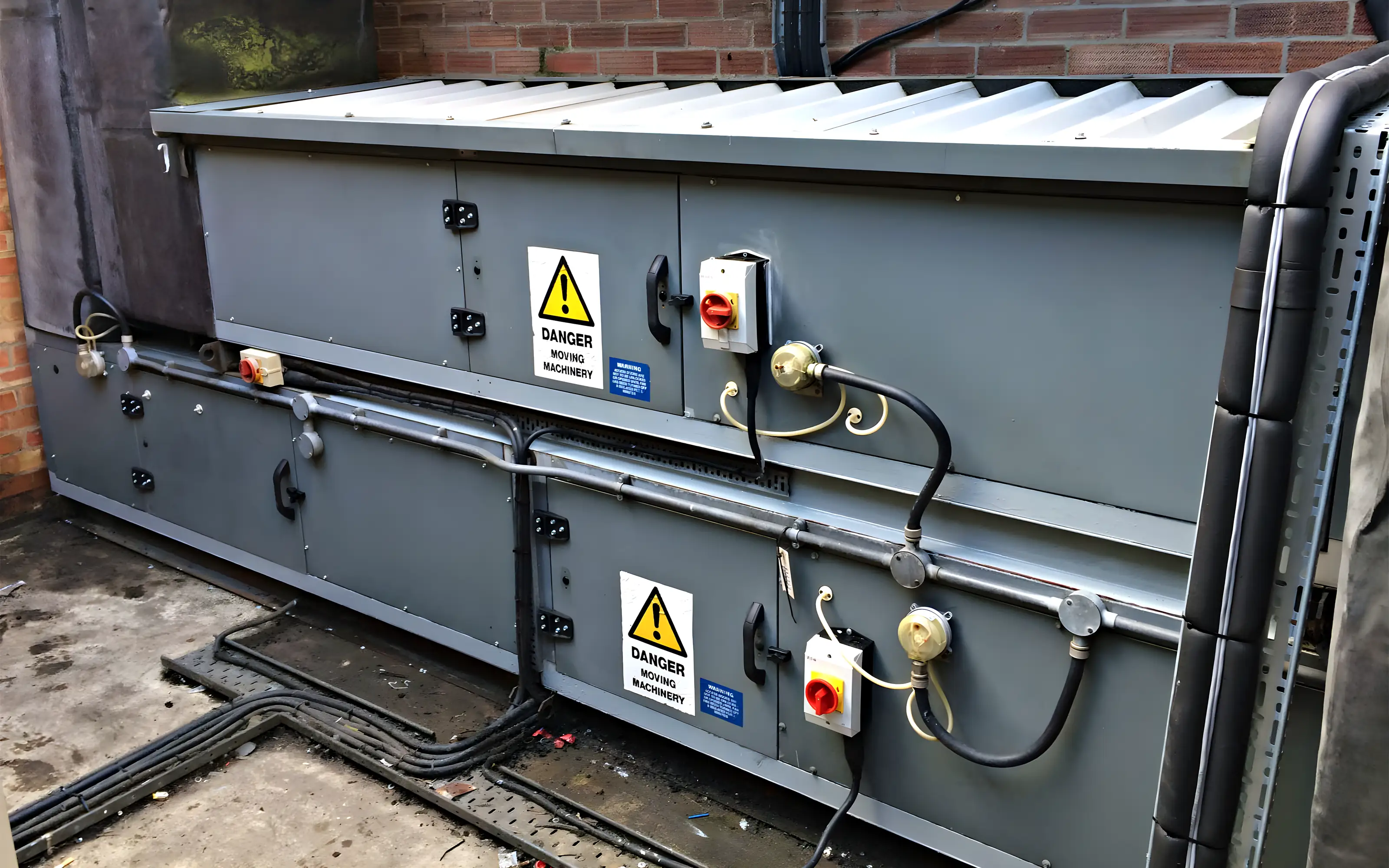
Air Handling
AHUs installed, maintained, repaired and refurbished. Filters, coils, fans, motors and dampers.
Explore →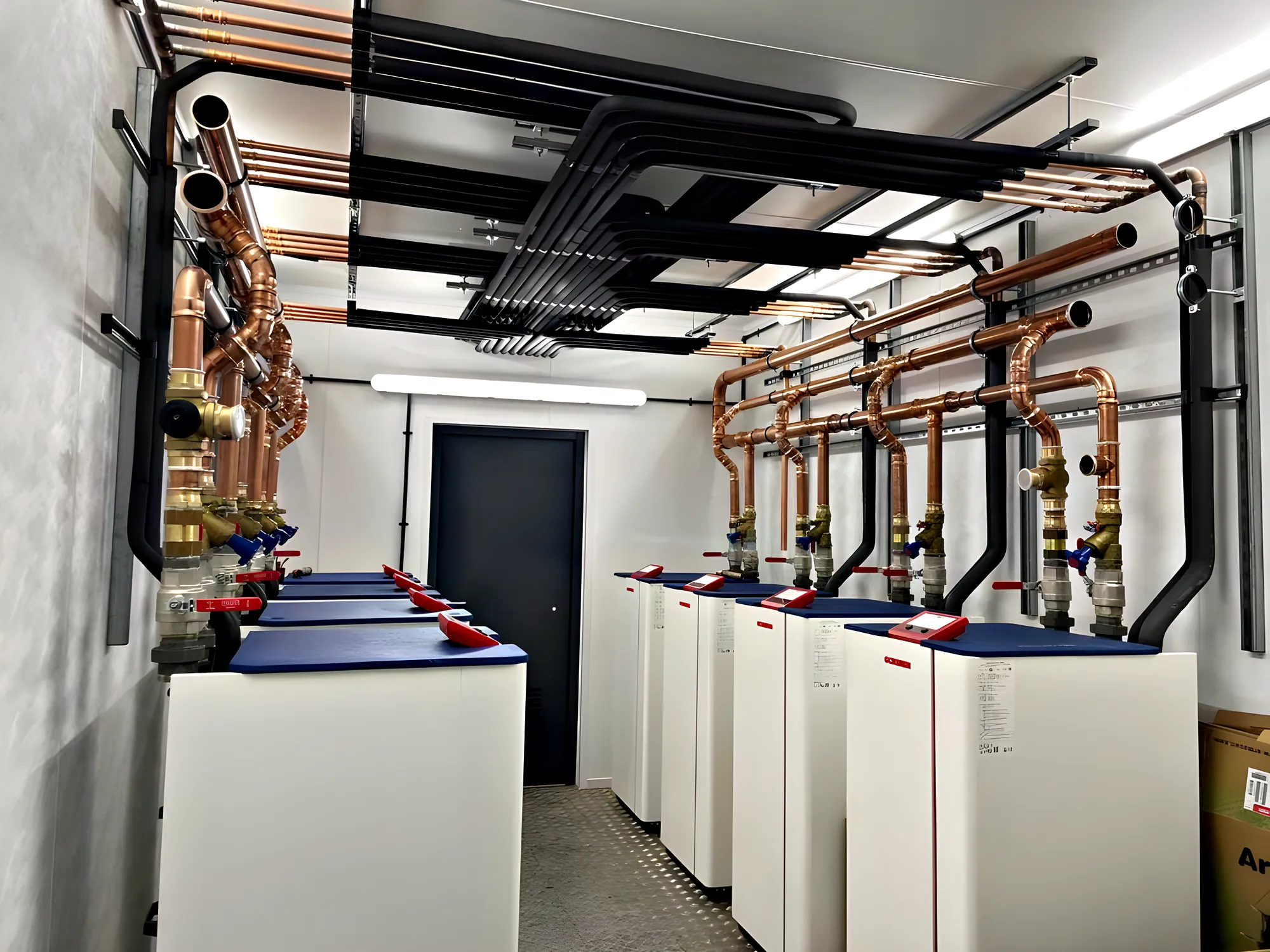
Mechanical Assembly
Pipework, manifolds, valves and plant room assembly, brazed, pressure tested and insulated.
Explore →Your Cranleigh Questions, Answered
Will an air conditioning unit be too noisy for my neighbours in Cranleigh?
Not if it is chosen and placed with care. Rural parts of Waverley can be very quiet at night, so we pick a quiet model, set the unit as far from neighbouring windows as the plot allows and use the house itself as a screen. Our assessment at the survey takes account of the background level, the character of the noise and the distance to the nearest neighbour, and we plan for all three.
Will a listed cottage in Cranleigh need consent for air conditioning?
You may. Many buildings around the Common and the High Street are listed or stand inside the Cranleigh Conservation Area, and a unit fixed to a listed building, or to any building in a conservation area, may need consent. We check with Waverley Borough Council before we drill, and we plan positions in rear gardens and on low rear walls, away from tile hung walls and the street.
Can you fit air conditioning in a new home on one of Cranleigh's newer estates?
Yes. Homes on estates such as Amlets Park, Longhurst Park or the Swallowhurst Estate are well insulated and airtight, so a smaller unit is often enough to cool a bedroom or an office. Before anything is fixed outside, it is worth checking the property's planning conditions and any estate covenants or management rules, which may limit what can go on an outside wall. We go through them with you at the survey.
Where should the outdoor unit go on a cottage near Cranleigh Waters?
Cranleigh Waters runs along the western edge of the village, and the Neighbourhood Plan records flooding on Elmbridge Road in December 2013. On low lying plots we prefer a wall bracket or a raised stand to a pad at ground level, so the unit sits above any standing water. Cottages of this age usually have solid brick walls, which take a bracket and a neat core hole well.
Do you look after air conditioning on Cranleigh's industrial estates?
We can. Industrial and office units, such as those at Manfield Park, Littlemead Industrial Estate, around Astra House or at Dunsfold Park, are the kind of premises our commercial work covers: design, installation, repairs and planned maintenance. We schedule visits around your working hours, carry out the F-Gas leak checks your systems need and keep the records, so the paperwork is ready whenever anyone asks to see it.
How far is Cranleigh from your office, and do you cover the Sussex side of the border?
Our Horsham office is 8.7 miles from Cranleigh in a straight line, so the village and its neighbours sit well inside our area. We cover both sides of the county line, from Ewhurst, Alfold and Shamley Green in Surrey to Rudgwick and Bucks Green in West Sussex. Call Nicola on 01403 733 492 and she will find a survey slot that fits around you.
We Also Work Nearby
Arrange a Survey in Cranleigh
Let us know which rooms you want to cool, how old the property is and roughly where an outdoor unit might go, and we will come out to survey it. You will receive a free written quotation that names the units, with no obligation to go ahead. Use the form on our contact page, or call the office during the day.